High-quality kitchen equipment rentals at unbeatable rates!
.png)

When a walk-in fails on a Friday, the repair invoice is the smallest number in the equation.
Most operators evaluate whether to rent restaurant equipment by comparing purchase price against monthly rental cost. That comparison leaves out the expense that actually hurts: what happens to the business during the hours or days the equipment isn't working. Once downtime is priced properly, the math looks different.
Here's how to calculate it for your own operation, and why maintenance coverage is the variable that matters most.
1. Lost revenue. The direct one. If the ice machine dies, the bar can't serve most of its menu. If the walk-in dies, service may not happen at all. Take your average revenue per service hour and multiply by the hours affected.
2. Spoiled product. A refrigeration failure puts everything inside on a clock. Depending on how long it goes unnoticed and what's in there, this can exceed the repair cost several times over.
3. Labor still on the clock. Staff scheduled for a shift that can't fully run still get paid. Some of that labor gets redirected to workarounds — hauling bagged ice, moving product to a neighboring kitchen — which is unproductive time you're funding.
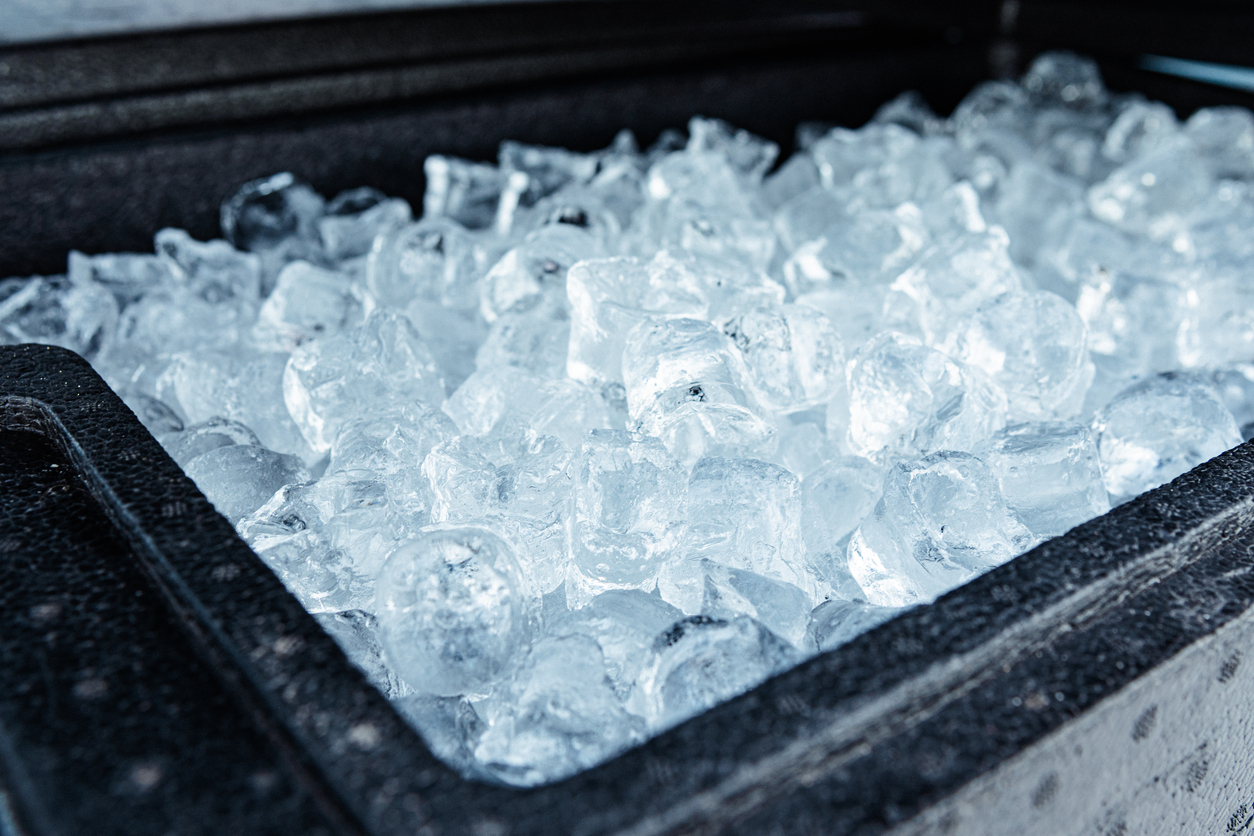
4. Emergency service premiums. After-hours and weekend rates for commercial refrigeration and ice service run well above standard. Parts sourced on a rush carry their own markup. And equipment fails during service more often than it fails on a Tuesday morning.
There's a fifth cost that doesn't appear on any invoice: guests who came for something you couldn't serve and formed an opinion about it.
Use your figures, not industry averages:
Then apply the multiplier that operators skip: how many times per year does something break? Refrigeration and ice equipment are high-failure categories — scale, filters, compressors, and control boards fail on no useful schedule. One incident is a bad day. Four incidents is a budget line.
Buying equipment outright means you own three things, not one:
That third item is the one nobody prices at purchase. When a unit fails and you own it, you're calling around for whoever can come out, negotiating a rate under pressure, and waiting.
The point of a full-service rental isn't only spreading cost over time. It's transferring the maintenance and downtime risk to the provider.
Under an all-inclusive agreement, preventive maintenance, emergency repairs, and replacement are covered by the monthly fee. Preventive service reduces how often failures happen. Covered emergency response reduces how long they last. And when a unit can't be repaired quickly, a replacement gets swapped in rather than the kitchen sitting down for days waiting on a part.
That's the real difference: not the monthly figure, but who absorbs the cost when equipment fails.
Worth being specific, because the term "rental" covers arrangements that behave very differently:
Only the third one moves the downtime cost off your books. Ask directly: are there any circumstances where I'd receive a separate service invoice?
Light Soda On Tap has provided commercial equipment rental to food service operators since 1947, based in Brisbane, CA with 2,000+ active customers and $35M+ in inventory. The model is all-inclusive — delivery, installation, maintenance, repairs, and replacement under one monthly fee, with no separate service invoices.
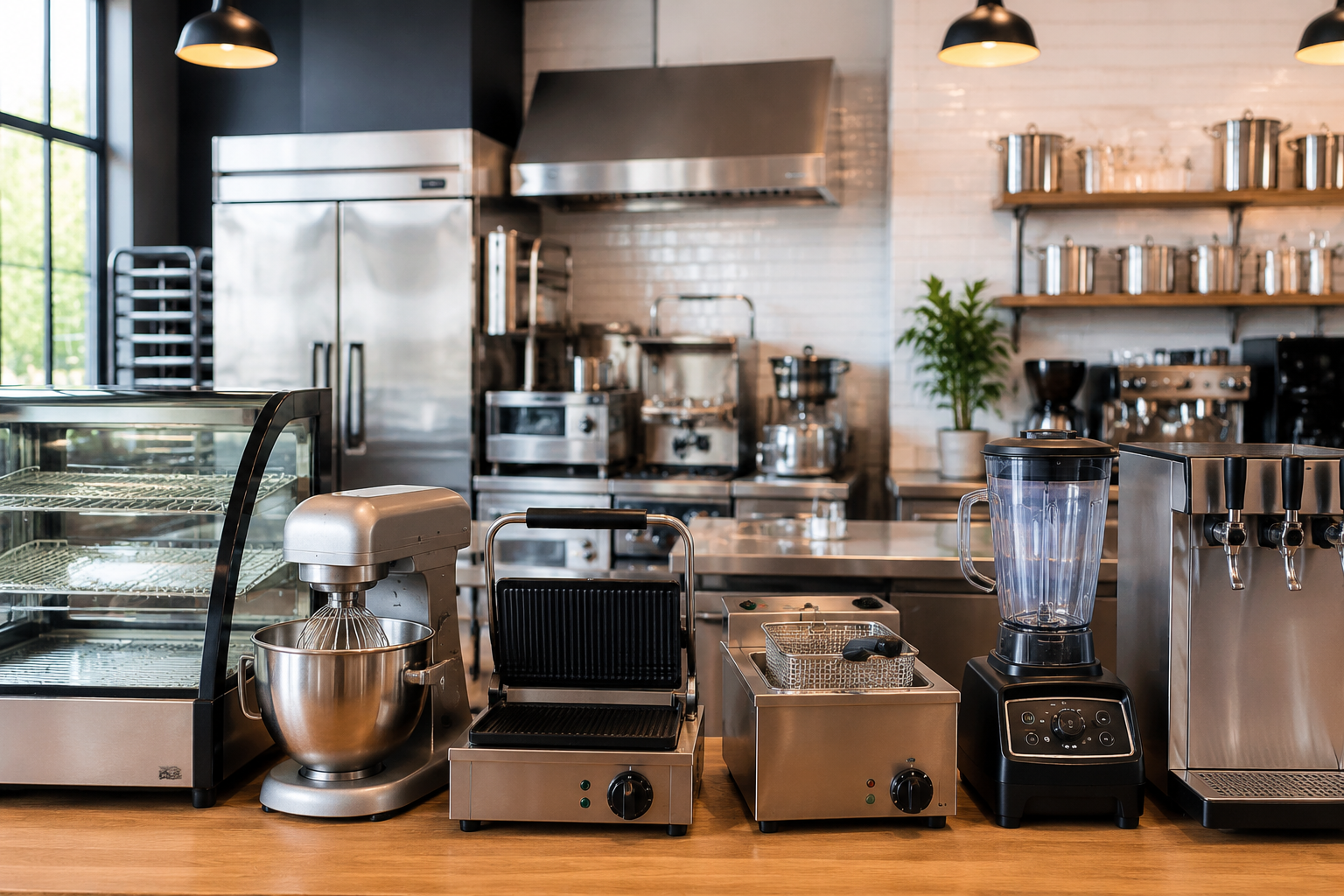
The company is commercial-only, serving restaurants, bars, cafés, ghost kitchens, and multi-location groups across California, Nevada, and Arizona. Equipment includes refrigeration, ice machines, beverage systems, bar equipment, and cooking lines from Hoshizaki, Manitowoc, Scotsman, Ice-O-Matic, True, Beverage Air, Perlick, Montague, Imperial, and American Range.
Local dispatch matters here. A team working from a regional facility can reach a kitchen the same day; a ticket routed through a national call center to a third-party contractor generally can't.
Is renting more expensive over the long run than buying?
On sticker price alone, sometimes. Once maintenance, emergency repairs, and downtime are included, the comparison changes — which is why the calculation should include all four, not just the purchase price.
What happens if equipment can't be repaired same-day?
Under an all-inclusive rental, a replacement unit is swapped in so the kitchen keeps running.
Can I rent some equipment and own the rest?
Yes, and many operators do — renting the high-maintenance categories like refrigeration and ice, owning the low-failure items.
How fast can replacement equipment be delivered?
Depends on the unit and current inventory. Providers with deep on-hand stock can generally move within a few business days, and faster for emergency replacements on existing rentals.
To see what all-inclusive coverage looks like for your equipment list, call Light Soda On Tap at (415) 648-6262 for a custom quote.

.png)