High-quality kitchen equipment rentals at unbeatable rates!
.png)
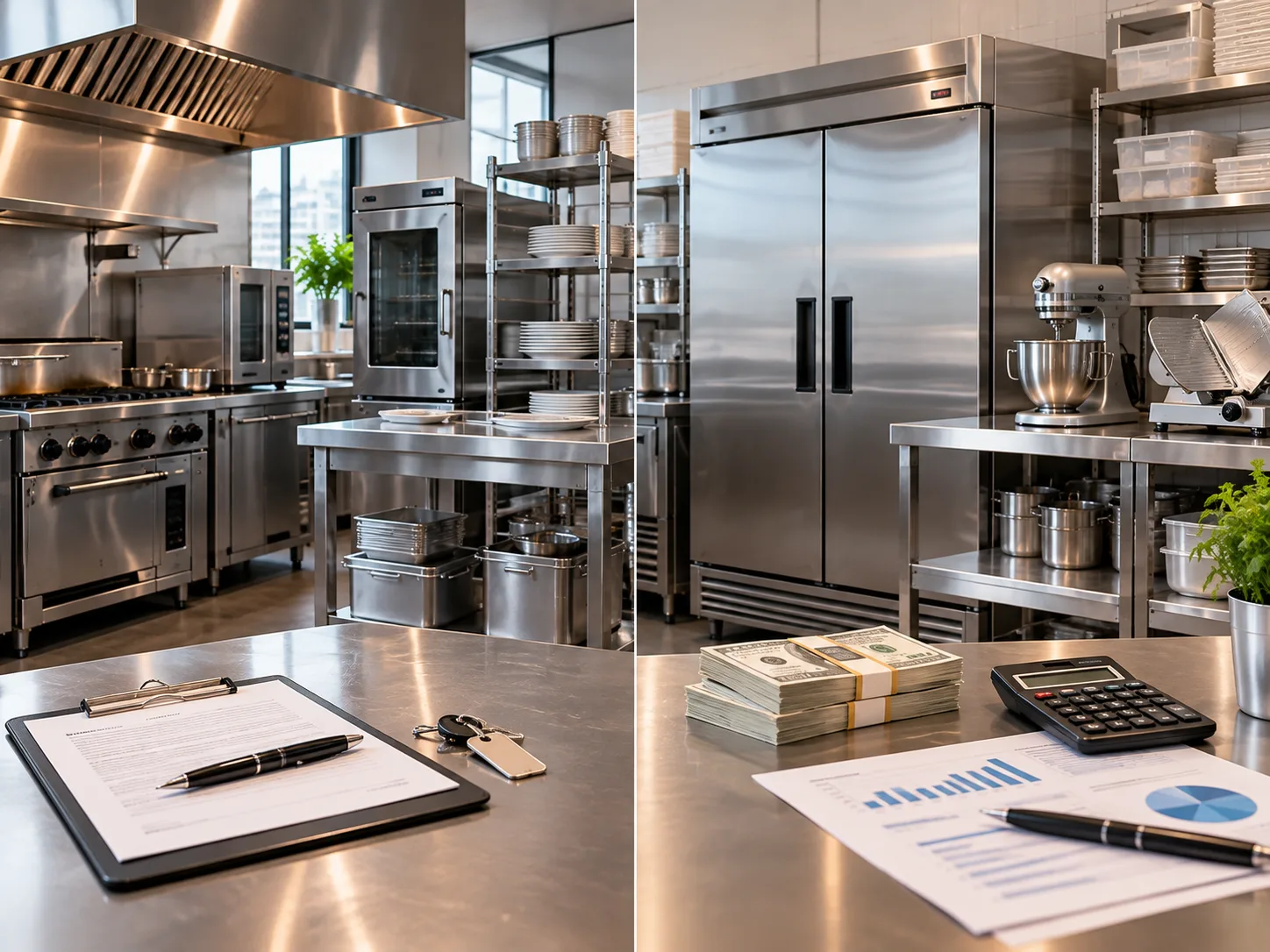
Most operators start this decision the same way: they pull up the price of a new reach-in refrigerator or a six-burner range, compare it to a monthly rental quote, and do the math on how many months it takes to "break even" on a purchase.
That comparison feels rational. It's also missing the number that actually determines whether renting or buying makes sense: what happens when the equipment breaks.
A walk-in cooler going down on a Friday night doesn't cost you the price of a repair call. It costs you the inventory inside it, the covers you have to turn away, and the two days it takes a technician to source a part. That's the cost operators don't put in the spreadsheet, and it's usually the one that decides whether renting was the smarter move.
Buying makes sense when you have the capital to absorb downtime, repair costs, and depreciation without it affecting cash flow. Renting makes sense when you'd rather pay a predictable monthly cost and let someone else carry the risk of breakdowns, replacement, and repair scheduling. For most independent restaurants, bars, and multi-unit operators, the deciding factor isn't the sticker price. It's who's responsible when something fails.
When a piece of kitchen equipment fails, operators typically account for one cost: the repair bill. There are usually three more sitting underneath it.
Here's what that looks like on a single incident involving a failed ice machine on a Saturday:
Before any parts or unit replacement
That range is for one machine, one weekend. Operators running multiple locations or older equipment fleets see this multiple times a year.
The purchase price of a unit is the smallest part of the total cost of ownership. The bigger question is who absorbs the cost when something goes wrong.
Neither column is universally "better." A well-capitalized operator with an in-house maintenance relationship can make ownership work. An operator who can't absorb a surprise $4,000 compressor failure is usually better served by shifting that risk to a rental agreement.
This is where a lot of rental agreements create confusion after the fact. "Maintenance included" can mean very different things depending on the contract.
Operators should ask for the maintenance terms in writing, not as a verbal summary. "Included" without a defined scope is the single most common source of billing disputes in equipment rental.
Not all "rental" is the same product. These are the three structures operators typically encounter:
The difference between these three matters most at the moment something breaks. A machine-only lease means the phone call is the operator's problem. An all-inclusive agreement means it's the provider's.
Getting clear answers to these before signing prevents most of the disputes that come up later.
Light Soda On Tap has served Bay Area restaurants, bars, hotels, cafés, and other foodservice operators since 1947. The model is built around the all-inclusive structure described above: one flat monthly fee covers professional installation, preventive maintenance, emergency repairs, and equipment replacement, with no separate service invoices.
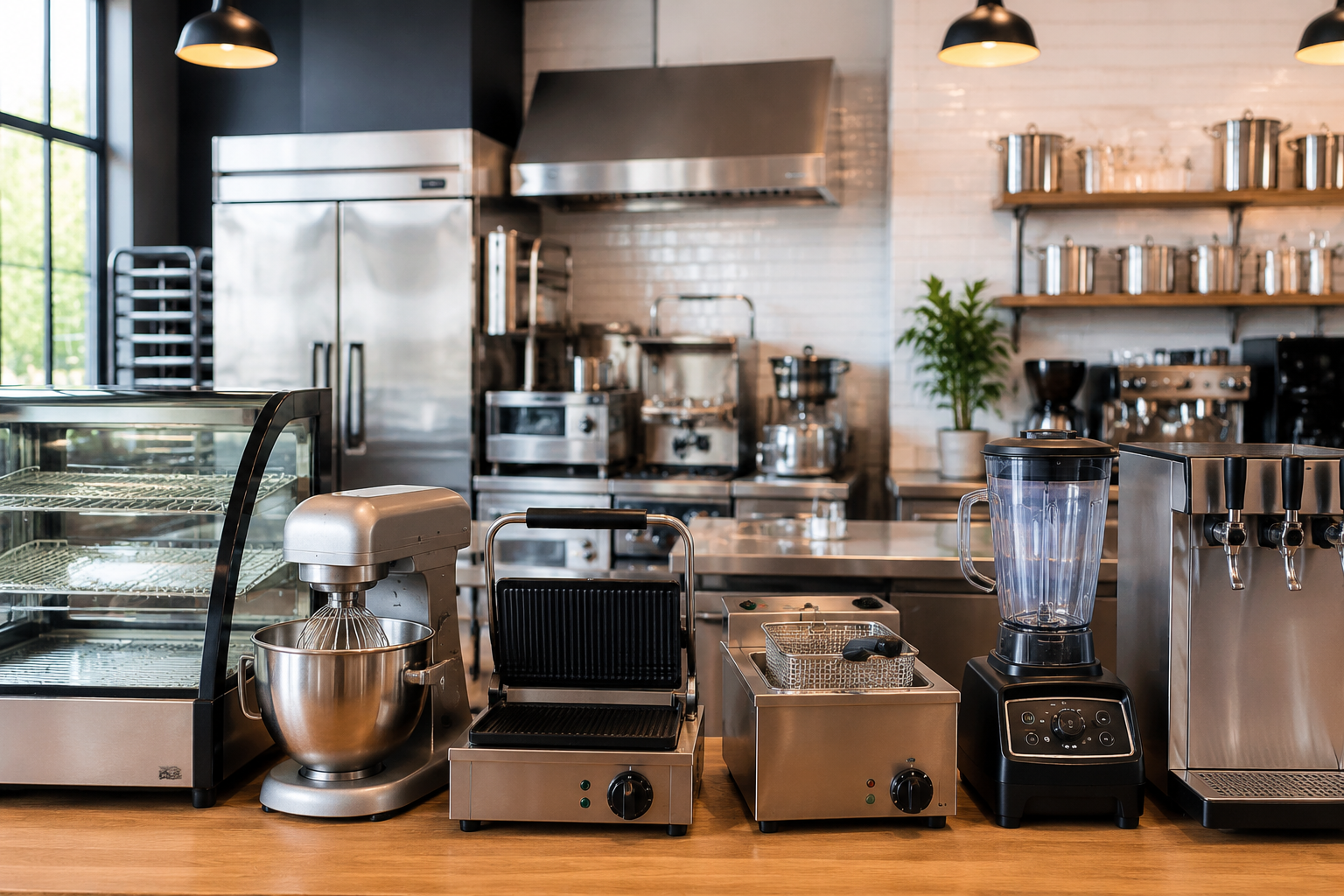
The inventory spans over 50 equipment categories, including:
Equipment comes from established manufacturers including True Refrigeration, Beverage Air, Hoshizaki, Manitowoc, Perlick, Montague, Imperial, and American Range.
With over 2,000 active customers and more than $35M in equipment inventory, dispatch stays local across the SF Bay Area, including San Francisco, Oakland, San Jose, Berkeley, Marin, and the Peninsula and East Bay, which keeps response times shorter than working with an out-of-area service contractor. Operators can browse available rental categories to see current inventory by equipment type.
This isn't the right fit for every operator. Some kitchens are better served by ownership, particularly if they already have strong in-house maintenance relationships and the capital to absorb repair costs. For operators who'd rather have one predictable monthly cost and no surprise service bills, the all-inclusive model is designed to remove that variable.
Does renting kitchen equipment cost more than buying over time?
It depends on how often equipment fails and who pays for it. Renting typically costs more per month than a loan payment alone, but it includes maintenance and repair costs that ownership doesn't, which changes the real comparison.
Who's responsible for cleaning under a rental agreement?
This varies by provider and should be confirmed in writing. Many agreements cover mechanical maintenance but leave day-to-day cleaning and sanitation to the operator, since that's tied to health code compliance on the operator's premises.
Can I switch from a machine-only lease to an all-inclusive rental later?
Some providers allow this, but it usually requires a new agreement rather than a mid-term amendment. It's worth asking about upgrade paths before signing the initial contract.
What happens if a rented unit needs to be replaced entirely, not just repaired?
Under an all-inclusive agreement, replacement is typically covered as part of the flat monthly fee. Under a machine-only lease or basic maintenance contract, replacement is usually a separate negotiation.
Operators evaluating rent vs. buy for kitchen equipment can get a straightforward answer based on their specific setup. Contact Light Soda On Tap or call (415) 648-6262 to discuss current inventory and rental terms, or reach the sales line directly at (415) 787-6626.


.png)