High-quality kitchen equipment rentals at unbeatable rates!
.png)

If you're trying to figure out whether to rent restaurant equipment or buy it outright, you've probably already run the numbers once and felt uneasy about them. A full commercial kitchen setup can run six figures before you flip the sign to "Open." Financing spreads that out but adds interest and locks you into ownership of equipment that depreciates the moment it's installed.
Renting is a different model entirely. You pay a monthly fee, the equipment shows up installed, and when something breaks the provider fixes it. No ownership, no maintenance liability, no surprise invoices.
This guide covers how restaurant equipment rental actually works, what's available, who it's right for, and what to ask before you sign anything.
Renting restaurant equipment isn't the same as financing or leasing-to-own. The distinction matters.
With financing or a lease-to-own arrangement, you're working toward owning the equipment. The monthly payments build toward an asset. You'll eventually own a depreciated piece of commercial equipment and every repair cost along the way is yours to absorb.
With a true rental model, you're paying for access and service. The provider owns the equipment. That means:
The practical result: your restaurant has the equipment it needs, your monthly cost is fixed, and you're never staring at a $2,000 repair invoice for a compressor that died on a Friday night.
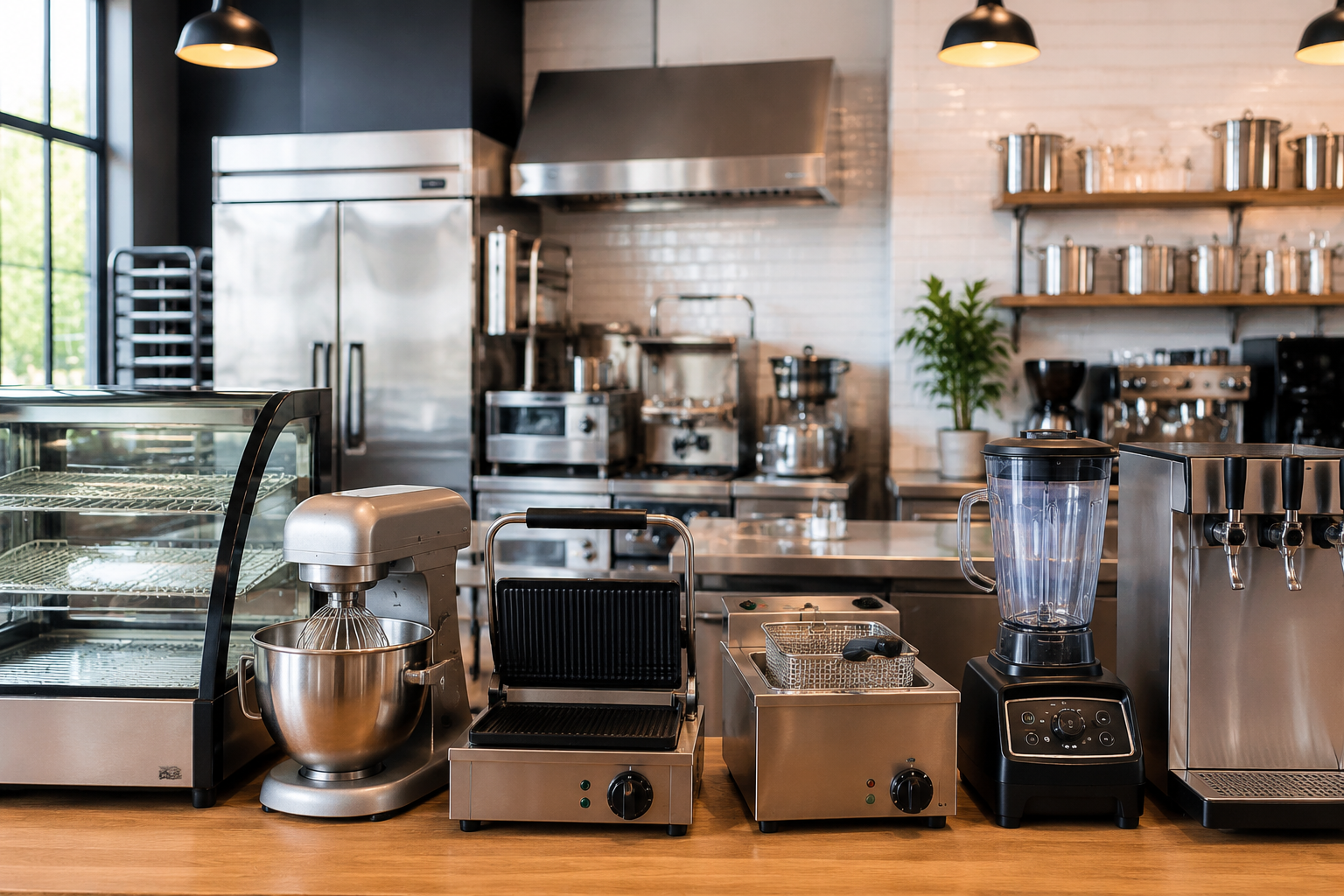
Most major commercial kitchen and bar equipment categories are available through rental programs. Here's what's typically on the table:
Refrigeration Commercial reach-in refrigerators and freezers, undercounter refrigeration, prep table refrigeration, bar coolers, and walk-in units. Refrigeration is one of the most expensive equipment categories to buy and one of the most costly to service which makes it one of the strongest cases for renting.
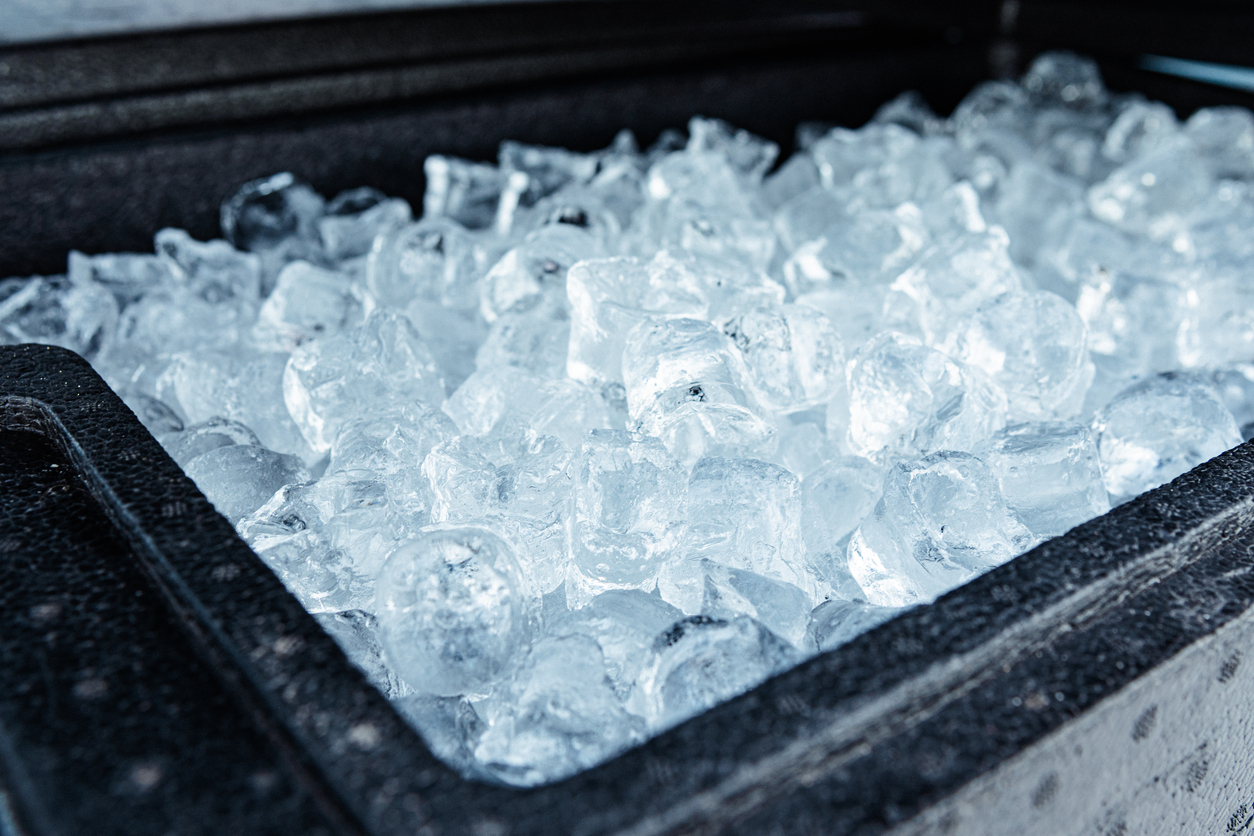
Ice Machines Modular, undercounter, and countertop ice machines are consistently among the most-rented items in food service. They require regular cleaning cycles, filter changes, and descaling to stay health-code compliant. When you rent, all of that falls on the provider.
Beverage Systems Fountain soda systems, post-mix beverage dispensers, and bag-in-box equipment. These systems require ongoing line cleaning and calibration services that should be included in a rental agreement.
Bar Equipment Back bar refrigerators, ice bins, speed rails, blenders, and glass washers. High-volume bar operations put serious wear on equipment. Rental keeps maintenance costs predictable regardless of volume.
Cooking Equipment Ranges, ovens, fryers, and griddles are available through select rental providers, though availability varies by region. More common for ghost kitchens, pop-up concepts, and operators who need specific equipment for a defined period.
Warewashing Commercial dishwashers and glass washers. High-use, high-maintenance equipment that's a strong candidate for rental programs where service is included.
Operators opening a new location Pre-opening is when cash pressure is highest — lease deposits, build-out costs, licensing fees, staffing, opening inventory. Converting equipment from a capital expense to a monthly operating cost frees up cash at exactly the moment you need it most.
Operators dealing with failing equipment When your current equipment is breaking down and repair quotes are running 40–60% of replacement cost, renting new equipment often makes more financial sense than throwing money at old hardware. Fast delivery timelines typically days mean minimal downtime.
Multi-unit and chain operators Rental simplifies equipment management across locations. Standardized specs, a single provider relationship, and maintenance covered across the portfolio without deploying capital unevenly across sites.
Ghost kitchens and virtual concepts Delivery-only and virtual restaurant models are built for flexibility. Renting keeps your equipment infrastructure as fluid as the rest of the model. No locked-up capital in depreciating assets if the concept changes.
Any operator who wants cost predictability Repair costs are one of the most unpredictable line items in a restaurant P&L. A single refrigeration failure can run $1,500–$4,000 in parts and labor. Rental eliminates that variance. The monthly fee is the monthly fee.
This comparison gets muddied by a lot of marketing language. Here's the straight version.
Renting wins when:
Buying wins when:
For most independent operators, groups opening new locations, and operators running lean on capital rental wins on cash flow, predictability, and operational simplicity. The long-term cost comparison only favors buying if the equipment runs trouble-free for years. Commercial kitchen equipment rarely does.
Not every rental program is built the same. The monthly rate is just one number here's what actually determines the value of the agreement.
All-inclusive coverage Delivery, installation, preventive maintenance, emergency repairs, and equipment replacement should all be included in one monthly fee. If a provider charges separately for service calls, that's a lease with different branding not a true rental program.
Commercial-grade equipment The equipment should be from recognized commercial brands built for high-volume food service environments. Ask specifically what brands are in the program.
Fast delivery and installation Especially critical if you're replacing failed equipment. Ask for a specific delivery timeline not a range, a commitment.
Service response time When a commercial refrigerator fails at 6pm on a Saturday, how fast does someone respond? Get a specific SLA in writing. Vague answers here are a red flag.
Flexible terms Rigid multi-year contracts with steep early termination fees don't work for the realities of the restaurant industry. Look for providers who offer reasonable terms with the ability to upgrade or adjust equipment as your needs change.
Before you sign:
A provider who can answer all of these clearly and in writing is worth talking to. One who hedges on service commitments or adds qualifiers to "all-inclusive" is not.
Restaurant equipment rental pricing is almost always customized based on the equipment type, quantity, and provider so there's no single published price list.
What you can expect:
The most accurate way to understand pricing for your situation is to request a direct quote from a provider in your service area. Come prepared with the equipment you need, your kitchen layout basics, and your timeline.
Renting restaurant equipment makes the most sense when capital preservation, operational predictability, and maintenance simplicity matter more than long-term asset ownership. For most operators especially those opening, growing, or running lean that's most of the time.
The key is finding a provider whose rental program is genuinely all-inclusive: delivery, installation, maintenance, and repairs all covered in one monthly fee, with no separate service invoices and clear response time commitments.
For restaurants, bars, and commercial kitchens in California, Arizona, and Las Vegas: Light Soda On Tap offers all-inclusive equipment rental programs covering commercial refrigeration, ice machines, beverage systems, and bar equipment. One monthly fee, no surprise costs, fast installation.
Can you rent restaurant equipment month to month?
Some providers offer month-to-month terms; others require a minimum commitment period. It depends on the provider and the equipment. Ask specifically about term flexibility before signing — and get the answer in writing.
Is renting restaurant equipment tax deductible?
Rental payments are generally treated as an operating expense, which means they're fully deductible in the year they're paid. Unlike purchased equipment, there's no depreciation schedule to manage. Consult your accountant to confirm treatment for your specific situation.
What's the fastest way to get rented restaurant equipment delivered?
With a provider that stocks equipment locally, delivery and installation can typically happen within a few days of a signed agreement. This is one of the main advantages over purchasing, which often involves lead times of weeks or months depending on equipment availability.
Can I rent restaurant equipment if I'm just opening my first location?
Yes new operators are one of the primary use cases for equipment rental. It reduces the capital required to open, gets equipment in place fast, and keeps your largest operational overhead on a predictable monthly schedule from day one.
What if I need to upgrade or change equipment mid-agreement?
This varies by provider. The better programs allow for equipment swaps or upgrades as your needs change. Ask about this specifically before signing inflexible contracts are one of the most common pain points operators run into.

.png)