High-quality kitchen equipment rentals at unbeatable rates!
.png)
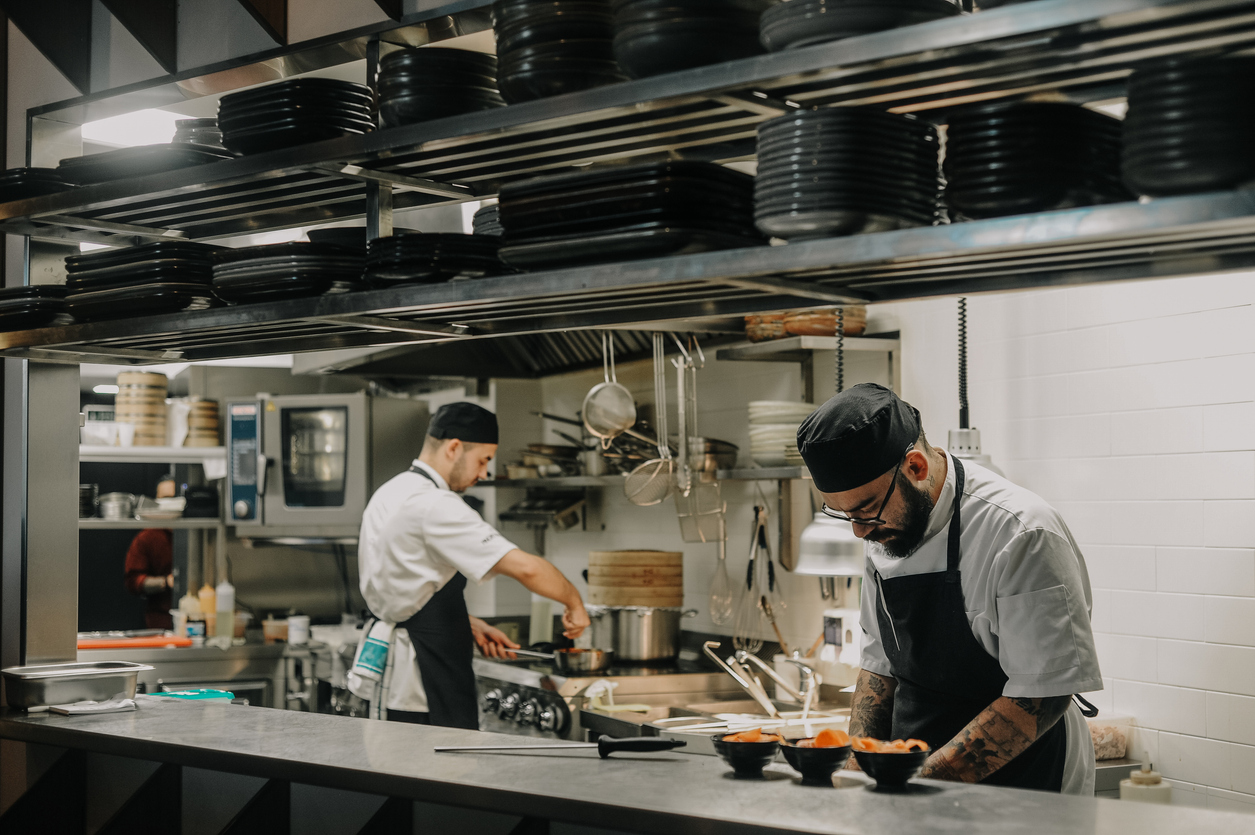
When you're opening a restaurant, nearly everything seems essential.
You need a location. You need equipment. You need inventory. You need employees. You need technology, furniture, licenses, signage, marketing, and enough working capital to keep the business moving after opening day.
The challenge isn't finding things to spend money on. It's deciding where your startup capital will have the greatest impact.
Finding affordable restaurant equipment for a new business can play an important role in that strategy. Rather than automatically purchasing every piece of commercial equipment, new restaurant owners can consider where ownership matters and where rental may help preserve valuable startup capital.
A restaurant startup budget typically needs to account for the location and buildout, commercial equipment, opening inventory, employees, permits, technology, marketing, furnishings, and working capital.
The right allocation will vary significantly by restaurant.
The important point is that equipment is only one part of the financial picture. Spending too much of your available capital on equipment before opening can leave less flexibility for the expenses that appear during launch and the first months of operation.
Opening day can feel like the finish line when you're building a restaurant.
Financially, it's closer to the starting line.
Once the doors open, the business begins paying ongoing expenses while building a consistent customer base.
That means operators should think carefully before putting a large percentage of available capital into equipment purchases.
Preserving cash can provide more room to handle the realities of the first several months.
Every restaurant is different, but startup capital often needs to stretch across several major categories.
When you look at the budget this way, the question becomes less about finding the cheapest equipment and more about using available capital strategically.
No.
Affordable restaurant equipment for a new business should not mean choosing low-quality residential equipment or products that aren't designed for commercial use.
Restaurants need equipment capable of handling the demands of food service operations.
A low purchase price isn't particularly valuable if the equipment isn't appropriate for the environment or can't reliably support everyday use.
Instead, affordability should be viewed in terms of the overall financial commitment.
That is where equipment rental can become useful.
Purchasing commercial restaurant equipment can require substantial upfront capital.
Renting changes the structure of that expense.
Instead of making a large purchase before opening, a restaurant can rent certain pieces of commercial equipment and preserve more of its available cash for other startup priorities.
Light Soda On Tap provides commercial-grade equipment rentals for restaurants and hospitality businesses. Equipment options include commercial refrigeration, ice machines, beverage and soda systems, bar equipment, and kitchen equipment.
This allows businesses to access equipment designed for restaurant operations without necessarily purchasing every unit upfront.
Consider what else a new restaurant needs during launch.
An operator may decide that available capital is better kept for:
The answer will differ from business to business.
But capital flexibility has value during a period when many expenses are difficult to predict perfectly.
The price tag is only part of equipment ownership.
Restaurant equipment also needs to be maintained.
When essential equipment develops a problem, the restaurant needs a solution. Repairs can create additional expenses and operational headaches at exactly the wrong time.
New restaurant owners should therefore ask an important question when comparing equipment options:
"Who is responsible for maintaining this?"
With Light Soda On Tap rentals, maintenance is included.
That changes the equipment decision because the business isn't simply accessing the unit. Maintenance support is part of the rental solution.
There isn't one universal answer because every restaurant concept has different requirements.
However, operators can start by looking at equipment that is essential to daily operations and may otherwise require significant upfront investment.
That can include:
Reliable refrigeration is fundamental to many restaurant operations. Renting can provide access to commercial refrigeration without requiring the same upfront equipment purchase.
Restaurants and bars can require a dependable supply of ice throughout service. Commercial ice equipment can be another category to evaluate when deciding what to rent versus purchase.
Beverage systems are central to many food service concepts and can be included as part of an equipment rental strategy.
Restaurants opening with a bar program may need additional commercial equipment, increasing the amount of capital required before launch.
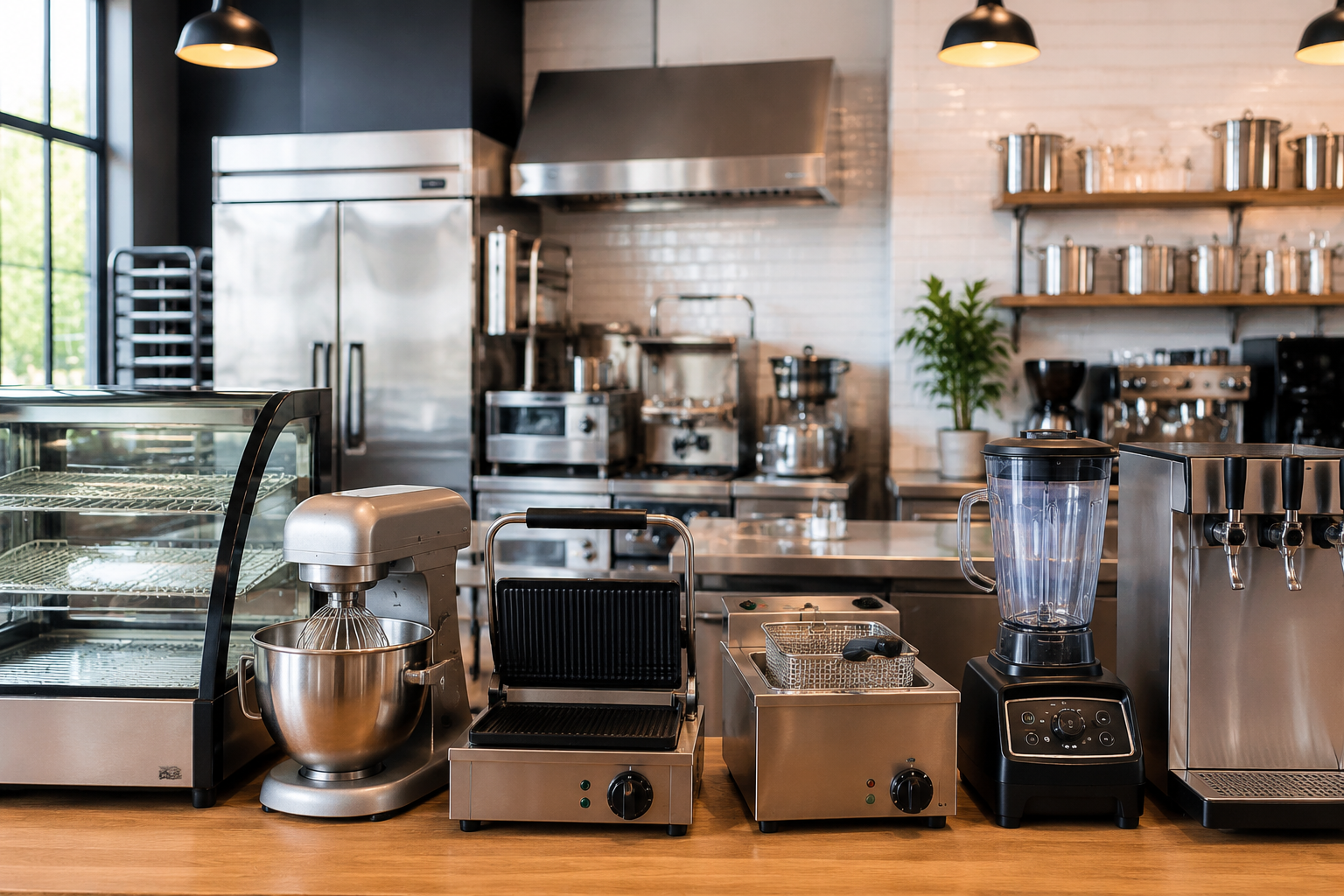
Depending on the concept and available rental options, commercial kitchen equipment can also be incorporated into the restaurant's equipment plan.
The objective isn't necessarily to rent everything.
It's to determine which approach makes the most sense for the business.
One of the simplest ways to control startup equipment spending is to divide your equipment list into two categories.
Essential now: Equipment the restaurant needs to operate from opening day.
Useful later: Equipment that could improve capacity or efficiency but isn't necessary immediately.
This forces you to prioritize.
It can also prevent the restaurant from spending capital on equipment based on projected future needs before actual customer demand is known.
As the restaurant grows, the equipment plan can grow with it.
Instead of looking only at price, ask these questions:
Those questions produce a much more useful decision than simply asking which option has the lowest price.
New restaurant owners make projections before opening, but real operations provide information that a spreadsheet can't.
You may discover that certain menu items sell more than expected.
Your busiest service period may be different from what you predicted.
You may need more refrigeration or ice capacity. You might adjust the menu. You might rethink part of the kitchen workflow.
Equipment requirements can change as you learn.
A rental model can provide greater flexibility than making every equipment decision a major upfront purchase before you've served your first customer.
The cheapest equipment isn't necessarily the most affordable equipment.
For a new restaurant, affordability is about balancing equipment needs with the financial requirements of launching and operating the entire business.
Renting commercial equipment can help reduce upfront costs, preserve startup capital, simplify maintenance responsibilities, and give operators more flexibility as their restaurants develop.
Light Soda On Tap helps restaurants and hospitality businesses access commercial-grade equipment through full-service rentals with maintenance included, plus delivery and installation support.
If you're looking for affordable restaurant equipment for a new business, consider the complete financial picture before purchasing everything on your opening-day equipment list.
The goal isn't simply to spend less on equipment.
It's to make sure your restaurant has the equipment it needs while keeping resources available to build the business around it.


.png)