High-quality kitchen equipment rentals at unbeatable rates!
.png)
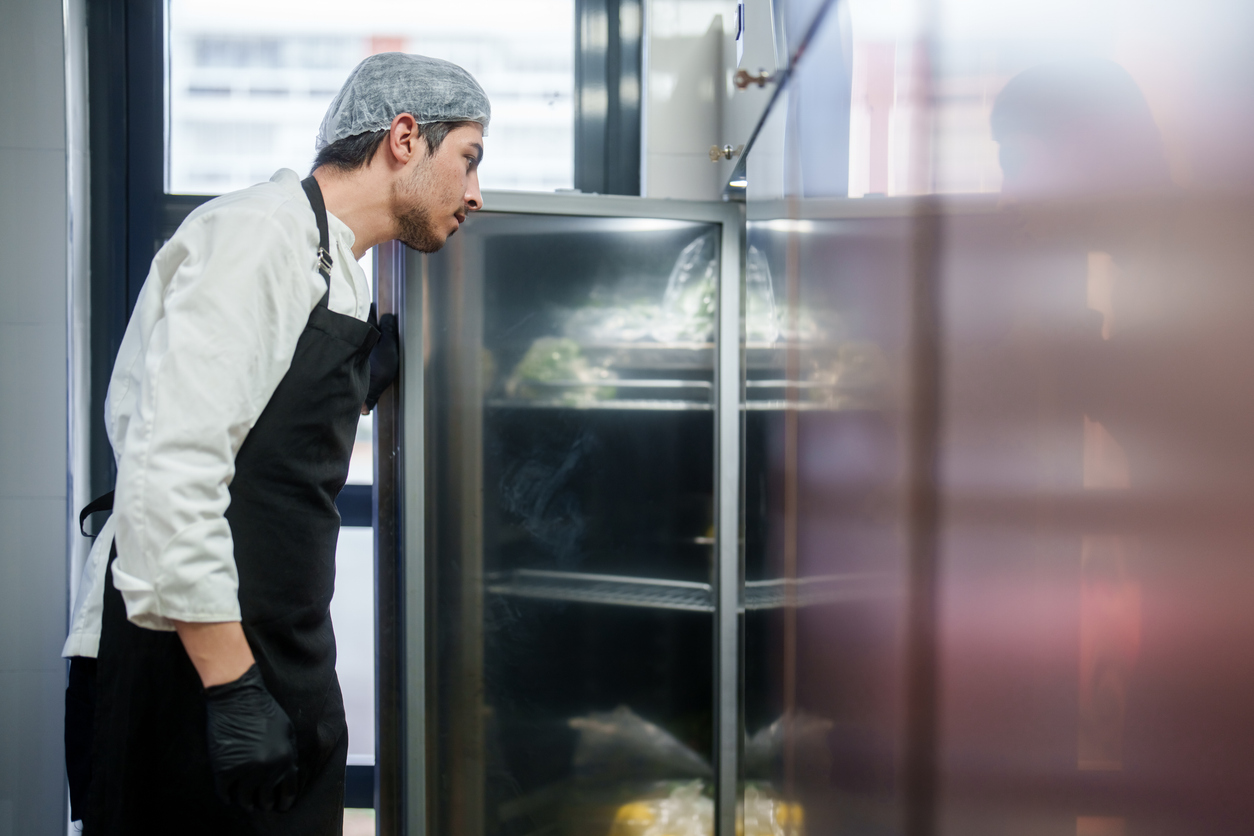
Choosing a commercial refrigerator is about more than finding a unit that fits through the kitchen door. The right refrigerator needs to provide enough storage for your operation, fit your available space, support an efficient workflow, and handle the demands of a busy commercial kitchen.
For restaurants exploring commercial refrigerator rental in San Francisco, sizing is one of the most important decisions to make before selecting equipment. A refrigerator that is too small can create storage problems almost immediately, while an oversized unit may take up valuable kitchen space that could be used more effectively.
So, how do you determine what your restaurant actually needs?
The right commercial refrigerator size depends on your restaurant's storage volume, menu, delivery schedule, kitchen layout, and expected business volume.
Instead of choosing based only on dimensions, restaurant operators should consider how much refrigerated inventory they need between deliveries and how employees will access ingredients during service.
A small café with frequent deliveries may have very different refrigeration requirements from a full-service restaurant preparing large quantities of food every day.
Your menu is one of the best places to start when evaluating refrigeration.
Look at the ingredients required for your highest-volume dishes. How many need refrigerated storage? How much backup inventory do you typically need?
Restaurants working with large quantities of produce, dairy, proteins, sauces, prepared ingredients, and beverages may require significantly more refrigerated space than operations with smaller menus.
Your menu can also help determine the type of refrigeration you need.
For example, a restaurant may need larger reach-in refrigeration for general inventory while also using smaller units near specific preparation stations. Thinking about refrigeration as part of the entire kitchen workflow can be more useful than simply asking, "How big of a refrigerator can we fit?"
Delivery frequency directly affects refrigeration requirements.
Imagine two restaurants serving approximately the same number of customers.
Restaurant A receives several smaller deliveries throughout the week.
Restaurant B receives larger deliveries less frequently.
Restaurant B may need considerably more refrigerated storage because it must hold more inventory at one time.
When planning a commercial refrigerator rental in San Francisco, consider the maximum amount of refrigerated inventory you expect to have on hand, not just your average daily inventory.
That extra capacity can become especially important before weekends, holidays, special promotions, or other high-volume periods.
Commercial kitchen space is valuable, especially when operators are trying to fit preparation areas, cooking equipment, refrigeration, storage, dishwashing stations, and employee pathways into the same footprint.
Before selecting refrigeration, carefully evaluate the available space.
Important measurements and considerations include:
You don't want to discover during installation that a refrigerator blocks an important walkway or makes a preparation station difficult to use.
Planning equipment placement before delivery can help create a more functional kitchen from day one.
Not every restaurant needs the same refrigeration configuration.
Reach-in refrigerators are commonly used for larger quantities of refrigerated inventory. They can provide centralized storage that kitchen employees access throughout the day.
Undercounter refrigeration serves a different purpose. These units can keep frequently used ingredients closer to specific workstations while using space underneath a counter or preparation surface.
Many restaurants may benefit from using different types of refrigeration throughout the kitchen rather than relying on one refrigerator for everything.
The right configuration depends on how your kitchen operates.
One mistake restaurant operators can make is planning equipment around average demand.
Your kitchen still needs to function when the restaurant is busy.
Think about the amount of refrigerated inventory required for your busiest service periods. If your restaurant is significantly busier on Friday and Saturday than early in the week, refrigeration capacity should reflect those peak requirements.
Ask questions such as:
Planning for realistic peak demand can reduce the likelihood that your restaurant quickly outgrows its refrigeration setup.
Buying commercial refrigeration creates a significant upfront commitment to a particular piece of equipment.
Renting can provide another option.
With commercial refrigerator rental in San Francisco, restaurant operators can access commercial-grade equipment without making the same large upfront equipment purchase.
This can be especially useful for new restaurants, expanding businesses, or operators who want greater flexibility as their needs evolve.
Light Soda On Tap provides commercial equipment rentals for businesses, including commercial refrigeration, with maintenance included. That means the rental is designed to support ongoing restaurant operations rather than simply provide equipment for temporary residential or event use.
Restaurant operations rarely remain exactly the same.
A successful restaurant may increase volume. A menu may expand. A business may add another service period, change its delivery schedule, or redesign its kitchen.
Those changes can affect refrigeration requirements.
Equipment rental can make it easier to approach restaurant equipment as an operational need rather than a permanent capital purchase. Businesses can evaluate their equipment needs as operations change and determine whether different equipment would better support their current volume.
This flexibility can be particularly valuable for restaurants that are still learning what their long-term operating requirements will look like.
Size and configuration aren't the only factors that matter when choosing refrigeration.
Commercial refrigerators work hard. When refrigeration has an issue, restaurants need to address it quickly because the equipment is essential to everyday operations.
This is one reason operators should consider maintenance when comparing equipment options.
With Light Soda On Tap's full-service rental approach, maintenance is included. Instead of simply purchasing equipment and taking on responsibility for maintaining it, businesses have an equipment partner supporting the rental.
That can remove one more equipment-related responsibility from an already busy restaurant operation.
Before choosing a commercial refrigerator, ask:
Answering these questions can make the equipment selection process much easier.
There isn't one refrigerator size that works for every restaurant. The right choice depends on your menu, inventory, deliveries, kitchen footprint, and operating volume.
Light Soda On Tap provides commercial refrigerator rental in San Francisco for restaurants and other food service businesses looking for commercial-grade equipment without the large upfront cost of purchasing it.
With commercial equipment, maintenance included, and delivery and installation support, LSOT helps businesses get the equipment they need while keeping the process simple.
If you're evaluating refrigeration for a new restaurant, replacing existing equipment, or adjusting your kitchen setup, explore commercial equipment rental options from Light Soda On Tap.

.png)