High-quality kitchen equipment rentals at unbeatable rates!
.png)
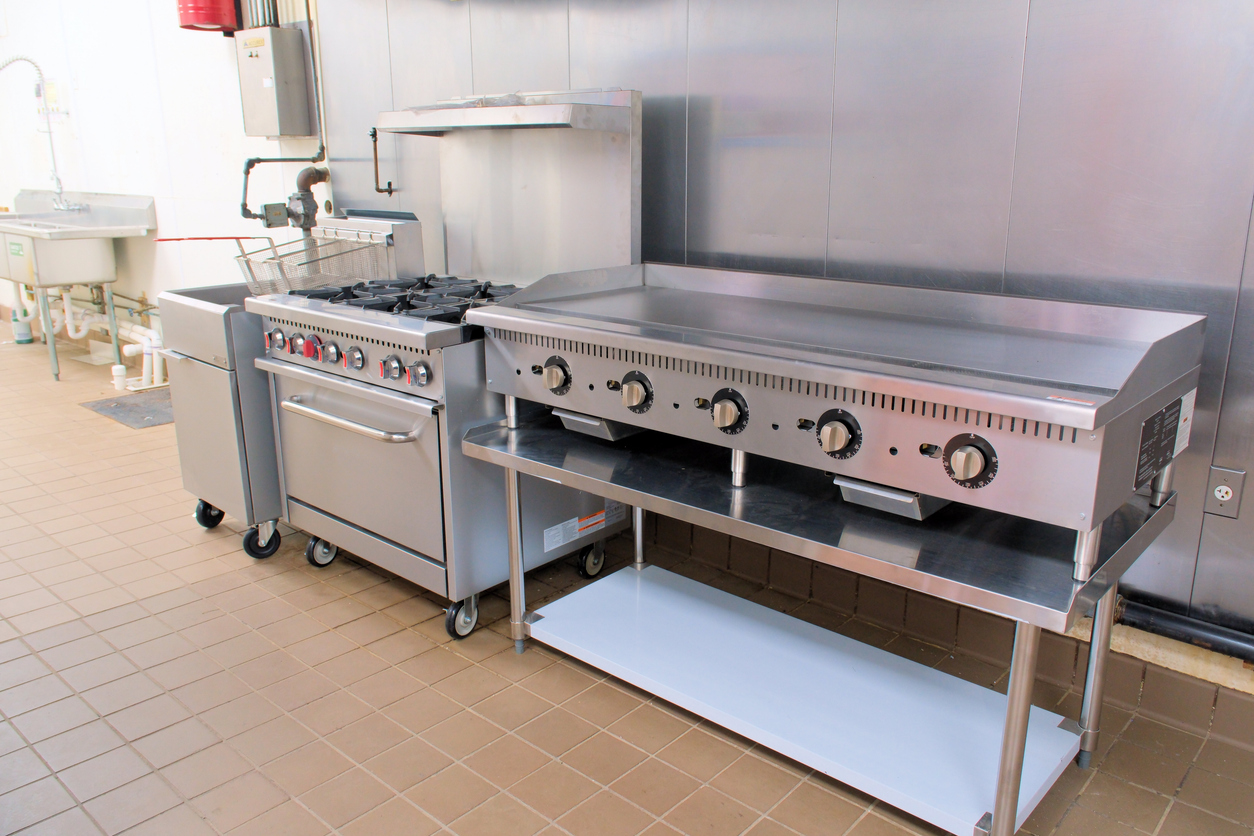
A delivery-only kitchen isn't a smaller restaurant. It's a different operation with a different equipment profile, and the standard restaurant equipping playbook doesn't map onto it cleanly.
No dining room means no front-of-house spend, but it also means no walk-in traffic to smooth out a bad week. Throughput is concentrated into delivery peaks. Multiple brands often run out of one kitchen. And the lease is frequently shorter and less certain than a traditional restaurant's.
That combination is why restaurant equipment rental in the Bay Area tends to fit ghost kitchen economics better than purchasing does. Here's the breakdown.
Hold and pack stations matter more than display. Nothing goes on a line for a guest to see. What matters is holding food at temperature during the gap between cooking and driver pickup, and packing it fast. Equipment budget shifts toward refrigeration, holding, and prep, away from front-of-house.
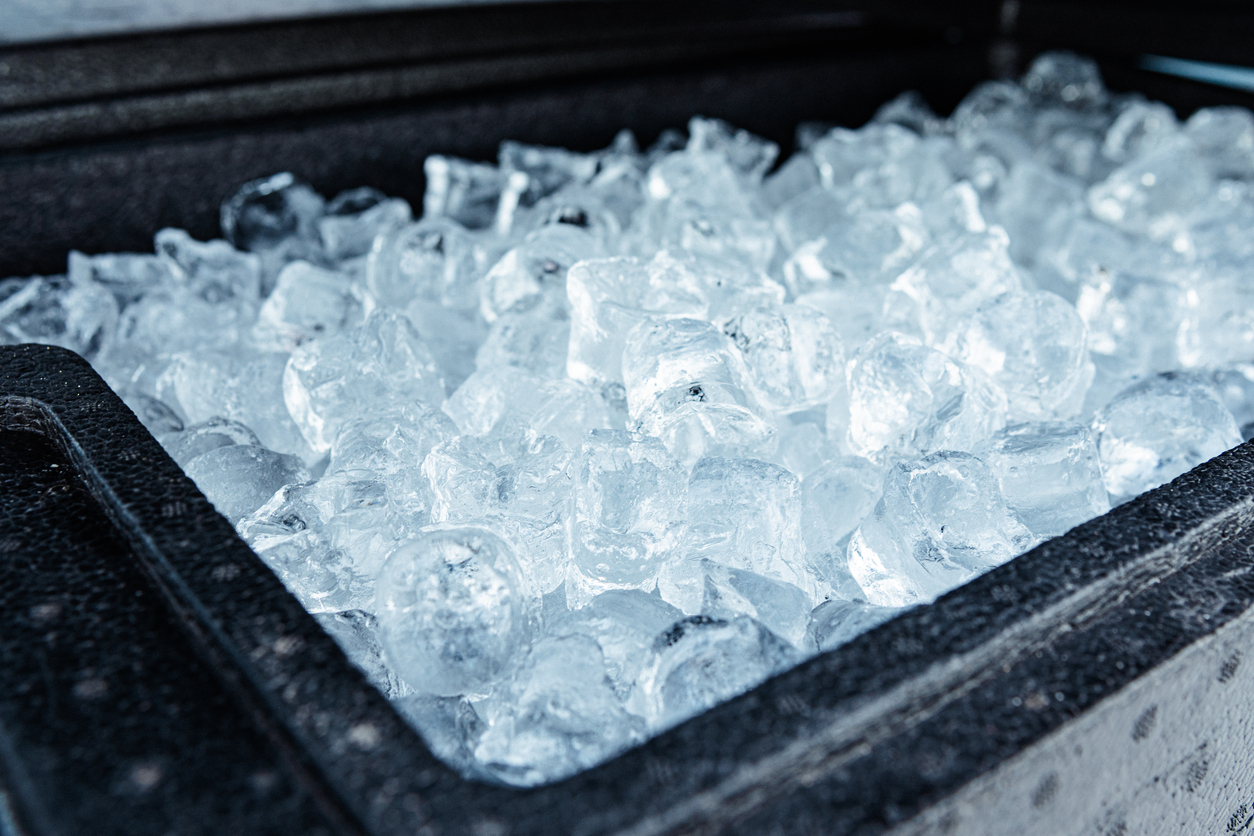
Peaks are sharper. Delivery demand concentrates. A kitchen that looks comfortably sized against daily volume can be underwater during a two-hour window, and refrigeration, ice, and prep capacity all get tested at once.
Multiple brands, one kitchen. Running several virtual brands out of one space means equipment has to cover several menus simultaneously. That drives the equipment list up, and it changes whenever a brand is added or dropped.
Menus change faster. Virtual brands are tested and cut on much shorter cycles than brick-and-mortar concepts. Equipment bought for a brand that ran four months is a bad asset.
Leases are shorter and less certain. Shared facilities, subleases, and converted industrial space are common. Committing capital to equipment on a lease you might not renew is a real exposure.
The theme is reversibility. Ghost kitchen operators make more equipment decisions per year than traditional restaurants do, and rental keeps each of those decisions cheap to change.
Priorities vary by concept, but the categories that carry delivery-only operations:
Space is the obvious one. Ghost kitchens in the Bay Area frequently occupy converted industrial, retail, or warehouse space, and those conversions come with infrastructure questions — panel capacity, gas service, drain positioning, hood coverage — that determine what equipment will physically work. A site walk before the equipment list is finalized saves more than it costs.
Delivery access is the less obvious one. Getting units into a shared facility or a converted space can involve tight corners, loading dock scheduling, or street constraints. Worth raising early rather than on delivery day.
And in a market where rent and labor are already among the highest in the country, equipment is one of the few large line items where the capital decision is genuinely optional.
Light Soda On Tap has equipped Bay Area food service operations since 1947, working from 426 Valley Drive in Brisbane, CA with 2,000+ active customers and $35M+ in inventory across 50+ equipment categories.
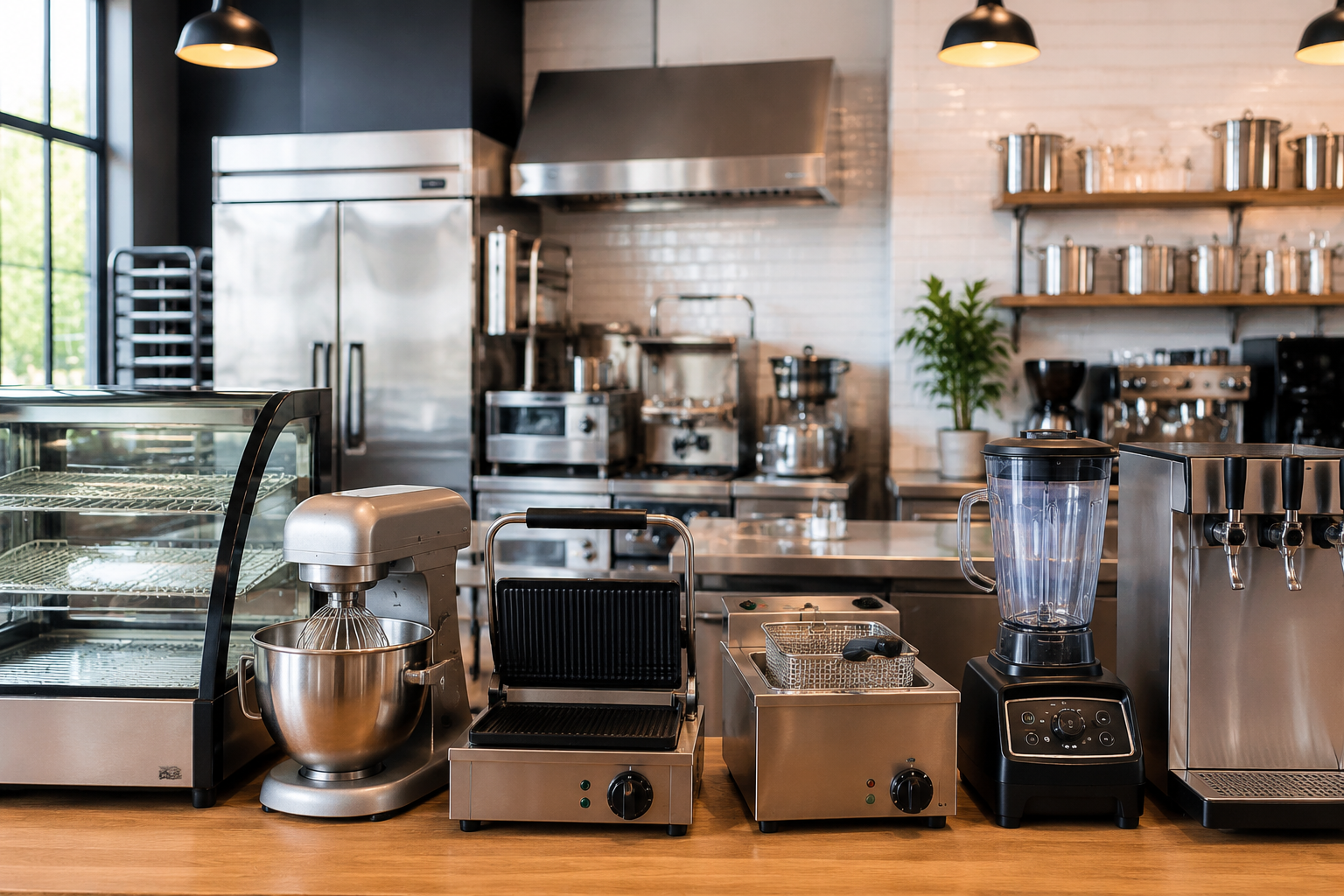
The range covers refrigerators, freezers, walk-ins, ranges, ovens, fryers, griddles, prep tables, ice machines, display cases, mixers, and bar equipment from True, Beverage Air, Hoshizaki, Manitowoc, Perlick, Montague, Imperial, and American Range. Rentals are all-inclusive: delivery, installation with water, gas, and electrical connections handled on site, scheduled maintenance, emergency repair with same-day service available, and replacement if a unit can't be fixed quickly — one flat monthly fee, no service contracts.
The company is commercial-only and serves San Francisco, Oakland, San Jose, Berkeley, Fremont, Hayward, San Mateo, Palo Alto, Redwood City, Marin County, Walnut Creek, Concord, Daly City, South San Francisco, Richmond, Santa Rosa, Napa, Sonoma, and throughout Northern California.
Can equipment be added as we launch additional brands?
Yes. Units are typically added to the existing agreement with the monthly fee adjusted, rather than starting a new contract.
What if a virtual brand doesn't work and we need less equipment?
Rented units can be returned. That's the practical advantage over owning equipment you can only resell at a loss.
How fast can a ghost kitchen be equipped?
Most equipment is delivered and installed within a few business days anywhere in the Bay Area. Call for urgent timelines.
Can you rent into a shared commissary facility?
Yes, though facility rules and access should be confirmed up front. A site walk covers it.
Do you rent to operators without a dining room?
Yes. The program is commercial-only, which includes delivery-only kitchens, commissaries, and catering operations.
Call (415) 648-6262 with your brand count, peak volume, and space details for a rental plan built around the operation.

.png)