High-quality kitchen equipment rentals at unbeatable rates!
.png)
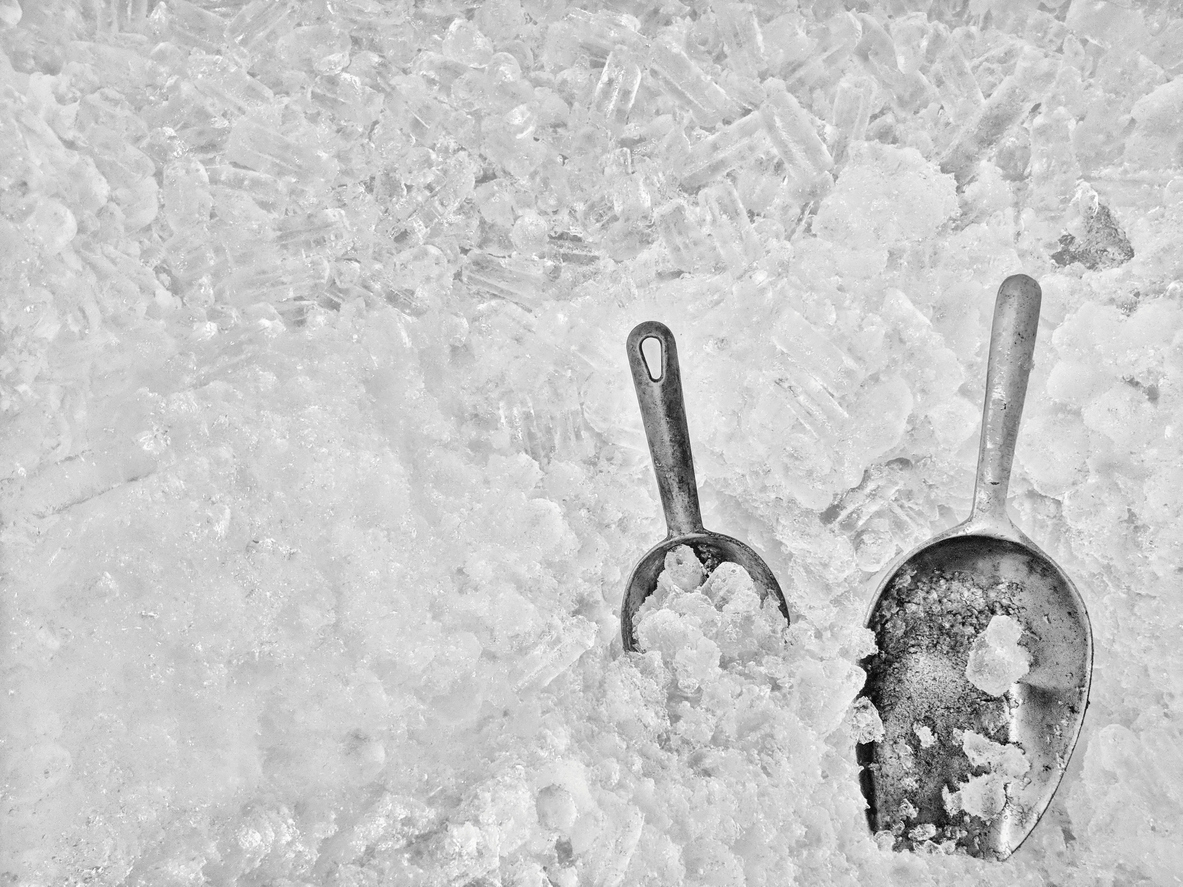
Renting a commercial ice machine should be straightforward. In practice, many restaurant operators find themselves confused about what the process actually involves, what's included, what questions to ask, how long it takes, and what happens when something goes wrong.
This guide walks through the process clearly, so you can move forward with confidence and avoid the common mistakes that turn a simple equipment decision into an ongoing headache.
Before you evaluate any machine or provider, you need to know how much ice your operation actually requires. Underestimating leads to service gaps; overestimating means paying for capacity you don't use.
A general rule of thumb for restaurants: plan for 1.5 to 2 pounds of ice per customer per meal service. For bars, that figure is closer to 3 pounds per customer per day. High-volume operations, hotel dining rooms, and catering setups will need to work from actual service data.
Consider your peak periods. A restaurant that runs at 40% capacity on weekdays but is fully booked on weekend evenings needs to size for the peak, not the average.
Commercial ice machines are not all the same. The type you need depends on your volume, available space, and what your operation actually uses ice for.
Modular ice machines sit on top of a separate storage bin and are designed for high-volume output, well-suited for full-service restaurants, hotel bars, and busy kitchens. Undercounter machines are compact and self-contained, often preferred in bars and cafés where space is limited. Countertop or nugget ice machines are common in quick-service restaurants and healthcare environments where a specific ice type is required.
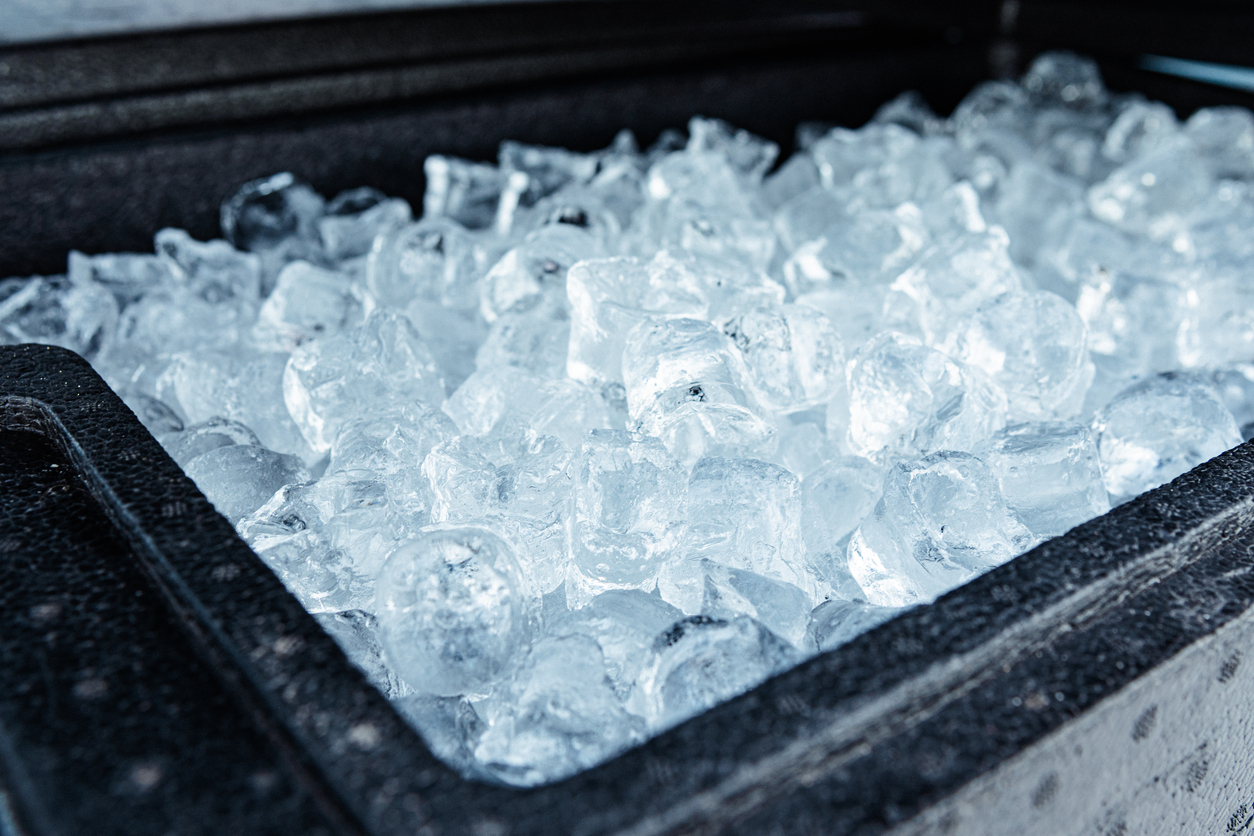
Ice shape matters too. Cube ice is standard for beverages. Nugget ice is popular in specialty drink concepts. Flake ice is common in food display and healthcare applications. Knowing which type your concept needs before you start the rental process makes the conversation with any provider much faster.
Not every commercial equipment rental company offers the same level of service. The machine itself is almost secondary to the quality of the provider behind it, because the machine will eventually need maintenance, and it may need repair.
If you're still narrowing down your options, searching for an ice machine rental near me can help you identify local providers with faster response times and in-person service capacity.
Whether maintenance is included in the monthly fee or billed separately. This distinction has a meaningful impact on your actual cost over time.
Response time commitments for repair calls. A provider who cannot tell you how long you will wait for a repair call is telling you something about how they operate.
Local service capacity. National rental companies often have local delivery but route service calls through regional centers. For urgent repair needs, local technicians matter.
Contract flexibility. Some providers lock operators into multi-year agreements with steep exit terms. Others offer more flexible structures that accommodate changing business needs.
Before signing, get clarity on five things:
A rental agreement that includes delivery, installation, scheduled maintenance, and all repairs is a fundamentally different proposition from one that only covers the equipment itself. Make sure you know which type you are signing.
With a quality provider, the installation process should be fast and professional. The machine arrives, a technician handles the connection and setup, and you walk through basic operation before they leave. There should be no ambiguity about who to call if something changes or goes wrong.
LSOT handles delivery and installation for every rental across California, Arizona, and Las Vegas. Operators are not expected to self-install or coordinate separate contractors. The machine goes in ready to run.
This is the most important question in the entire process, and it is the one most operators forget to ask until they need the answer.
With a well-structured rental, the answer is simple: you call your provider. They come. They fix it. You do not receive an invoice.
With a poorly structured rental or ownership, the answer involves service contracts, technician scheduling, parts costs, and waiting. During which time your operation is running without ice.
Q: How long does it take to rent a commercial ice machine?
With LSOT, the process from initial contact to installed equipment moves quickly. Timelines depend on location and machine availability. Contact us to confirm scheduling for your area.
Q: Can I cancel a commercial ice machine rental agreement early?
Terms vary by provider. LSOT structures agreements with operational flexibility in mind. Discuss your situation with us before signing, and we can walk you through what your agreement covers.
Q: What if I need to upgrade to a larger machine as my business grows?
A good rental provider can adjust your equipment to match changing needs. This is one of the core advantages of renting over buying. You are not locked into a machine you purchased for a smaller operation.
Ready to get a commercial ice machine in place without the hassle? LSOT handles every step, machine selection, delivery, installation, and ongoing maintenance, for restaurants, bars, and cafés across California, Arizona, and Las Vegas. Talk to us about your operation.

.png)