High-quality kitchen equipment rentals at unbeatable rates!
.png)
Opening your first restaurant teaches you how many decisions stand between signing a lease and serving your first customer. Opening a second location doesn't eliminate those decisions, but it does give you the advantage of knowing what worked the first time.
Equipment is one area where that experience can make a major difference.
For operators exploring restaurant equipment rental in the Bay Area, a second location creates an opportunity to rethink how equipment is sourced, maintained, and scaled. Instead of tying up significant capital purchasing every piece of equipment before opening, rental can help operators get commercial equipment in place while preserving resources for other parts of the expansion.
Restaurant equipment rental can help operators reduce the time and upfront investment involved in equipping a new location by providing access to commercial-grade equipment without requiring businesses to purchase everything outright.
Full-service rental can also simplify maintenance, delivery, and installation, reducing the number of equipment responsibilities an operator has to coordinate before and after opening.
For an expanding restaurant, that can mean focusing more attention on hiring, training, food, service, marketing, and the customer experience.
Your first restaurant is one of your best sources of information when planning your second.
Before creating an equipment list, evaluate your existing location.
Ask:
The goal shouldn't necessarily be to duplicate your first restaurant exactly.
The goal is to take what you've learned and build a better equipment plan for location two.
Expansion can make it tempting to purchase everything you think the restaurant might eventually need.
Instead, identify what is essential for opening.
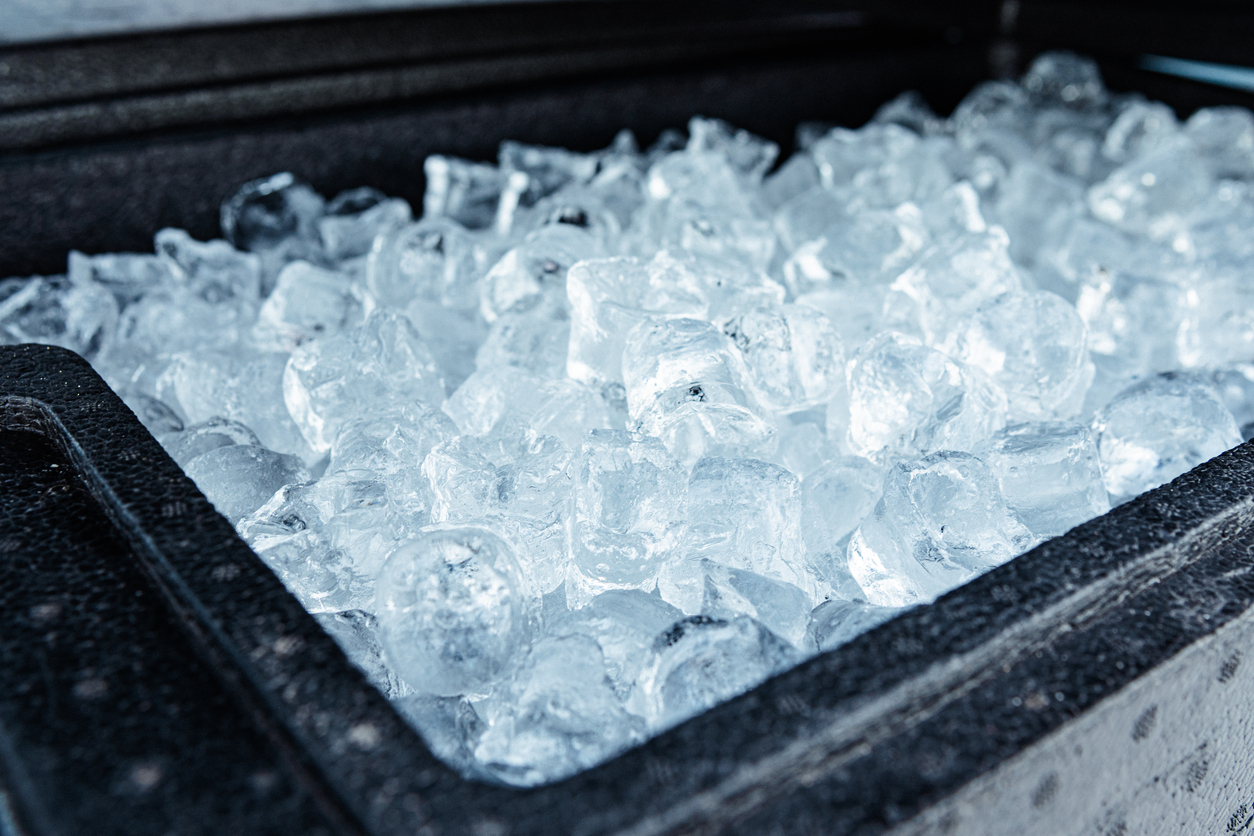
Depending on the concept, this might include commercial refrigeration, ice machines, beverage systems, bar equipment, and other kitchen equipment required for everyday operations.
Then create a second list of equipment that would be useful as volume increases.
This approach can help operators avoid over-equipping a restaurant before they know exactly how the new location will perform.
A second restaurant comes with expenses far beyond equipment.
Operators may need capital for:
Purchasing commercial equipment can add another significant upfront expense.
Restaurant equipment rental in the Bay Area provides an alternative by allowing businesses to obtain essential commercial equipment without purchasing every unit before opening.
For operators expanding their business, preserving capital can create more flexibility during the opening months.
The initial purchase price isn't the only equipment consideration.
Commercial equipment needs to keep working after opening.
When equipment breaks, the operator doesn't only face a repair problem. The failure may affect kitchen capacity, service speed, inventory, or the restaurant's ability to serve particular products.
Maintenance should therefore be part of the equipment strategy from the beginning.
Light Soda On Tap includes maintenance with its commercial equipment rentals. This full-service approach helps restaurants think beyond acquiring equipment and consider how that equipment will be supported during ongoing operations.
Once a restaurant grows beyond one location, consistency becomes increasingly important.
Operators may want similar equipment configurations across locations where practical. Familiar setups can make employee training easier and help management understand how each kitchen or bar is expected to operate.
Standardization can also make it easier to identify when a location's equipment setup is creating unnecessary inefficiencies.
However, identical equipment isn't always the answer.
Different restaurant footprints, customer volumes, menus, and storage spaces can require different configurations.
Use your original location as a blueprint, not an absolute rule.
Your second restaurant may share a name and menu with your first, but that doesn't mean demand will be identical.
Location can influence:
Consider those differences before finalizing equipment.
For example, a location expecting greater beverage volume could have different ice or beverage equipment needs. A smaller kitchen may require a more space-conscious refrigeration setup.
Equipment planning should reflect how that specific location is expected to operate.
Equipment shouldn't become a last-minute task.
Build equipment planning into your opening timeline.
Planning early gives operators more time to identify problems before those problems delay an opening.
Rental can be especially useful when an operator wants to avoid making another large equipment investment while expanding.
Rather than owning every unit, the business can treat certain equipment as an ongoing operational expense.
For businesses opening additional locations, that model can provide several advantages:
The result is not simply "equipment without buying it."
It is an alternative way to manage the equipment required to run a restaurant.
Light Soda On Tap works with restaurants and hospitality businesses that need commercial equipment for ongoing operations.
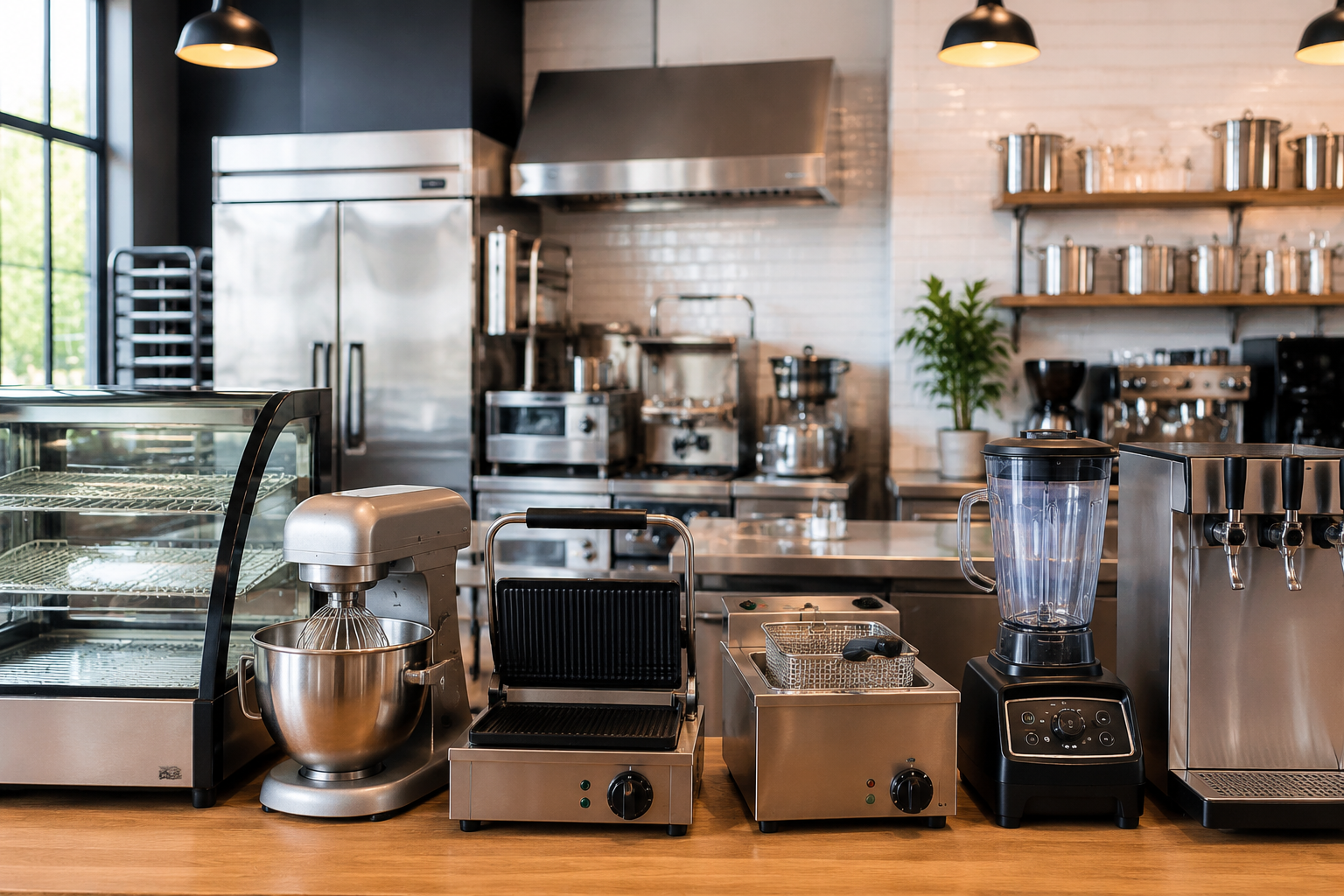
Rental options include equipment such as:
These are commercial solutions designed for food service businesses, not residential equipment or one-time party rentals.
Before choosing a restaurant equipment rental company, ask questions beyond the monthly rental price.
Find out:
These questions can help distinguish a basic rental transaction from a long-term equipment partner.
Opening a second location is a major step. Your equipment strategy should help make expansion easier, not create another layer of complexity.
Light Soda On Tap provides restaurant equipment rental in the Bay Area for restaurants and hospitality businesses that need reliable commercial-grade equipment while minimizing large upfront purchases.
With maintenance included and delivery and installation support, LSOT helps operators equip new locations and keep essential equipment working as the business grows.
If your second restaurant is on the horizon, start planning your equipment early and use what you learned from location one to build an even stronger operation at location two.

.png)