High-quality kitchen equipment rentals at unbeatable rates!
.png)
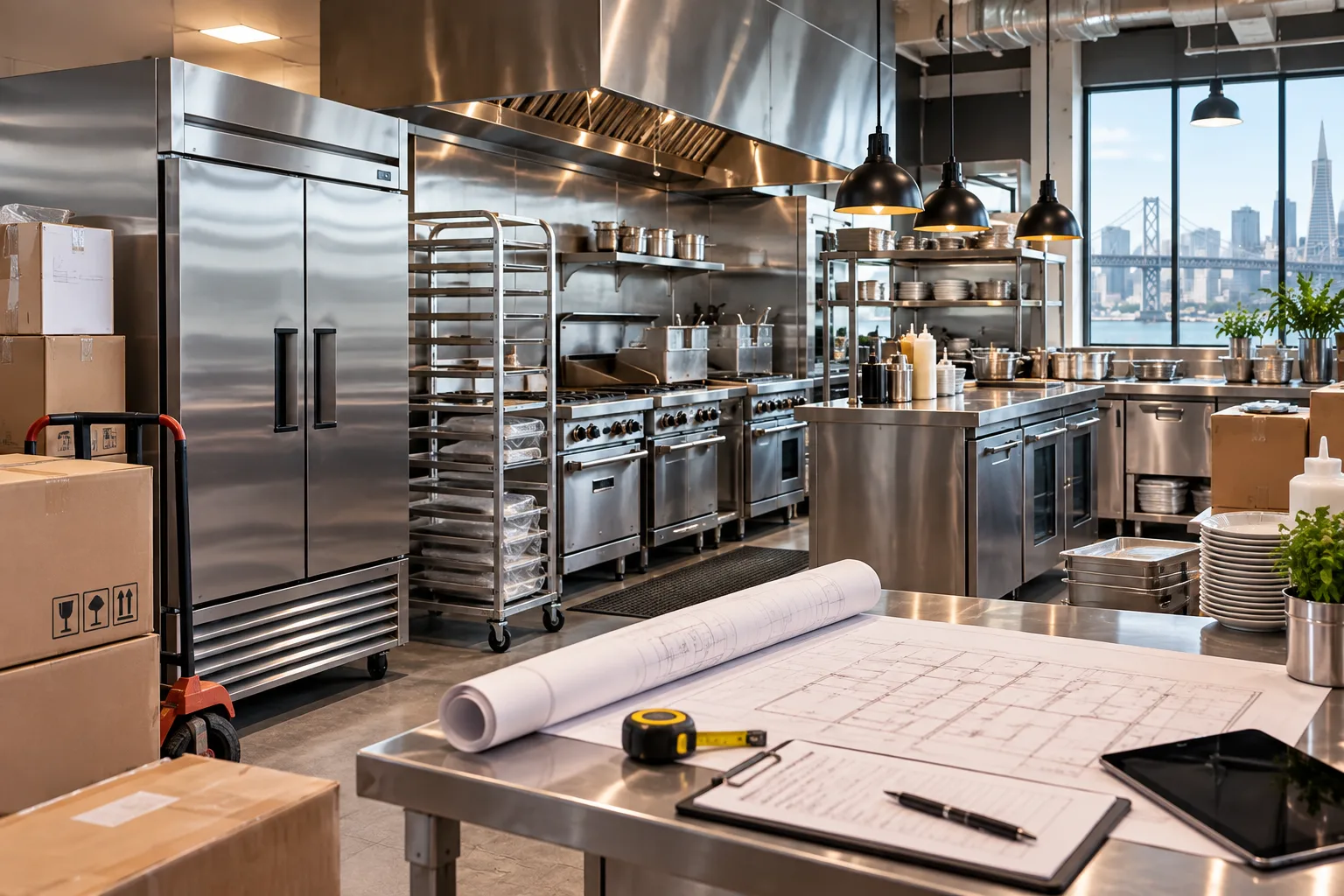
Most operators planning a San Francisco opening focus on comparing equipment prices and delivery windows, treating it like any other purchase decision on the build-out checklist.
That's not where the real risk is. The expensive problem is what happens when a walk-in cooler has a 10-week lead time, the health inspection is already scheduled, and the space can't legally open without it installed and running. Equipment timing, not equipment price, is what pushes opening dates by weeks or months.
Standard equipment lead times, especially for refrigeration, ranges, and hoods, routinely run 6 to 16 weeks depending on brand and configuration, and permit-dependent installation adds more time on top of that. Rental compresses this timeline because providers stock ready-to-install units instead of placing custom manufacturing orders, which is usually the deciding factor for operators trying to hit a fixed opening date.
New restaurant openings rarely slip because of one big problem. They slip because of a sequence of smaller delays that stack on top of each other.
Here's a rough picture of how these delays stack for a typical full kitchen build-out:
A kitchen with even two or three items on the longer end of these ranges can see its opening date pushed by a full month or more if equipment isn't ordered early enough.
For an operator with a flexible opening date and no urgency, ownership timelines are manageable. For a lease that starts accruing rent the day the space is handed over, the weeks saved through rental availability are often worth more than any price difference.
Operators frequently assume "installation included" covers everything needed to pass inspection. It often doesn't, unless the scope is spelled out.
What it usually includes:
What it often doesn't include, unless stated explicitly:
Confirming installation scope in writing, before ordering, prevents the common scenario where equipment arrives on time but can't legally be turned on for another two weeks.
For a timeline-driven opening, the difference between these three often comes down to how many separate parties the operator has to coordinate directly.
Getting clear answers before signing anything avoids discovering a six-week gap after the lease has already started.
Light Soda On Tap has served Bay Area restaurants, bars, hotels, and other hospitality operators since 1947, including many opening new locations across San Francisco. The all-inclusive model is built around timeline predictability: one flat monthly fee covers professional installation, preventive maintenance, emergency repairs, and equipment replacement, with no separate service invoices to manage during an already busy opening period.
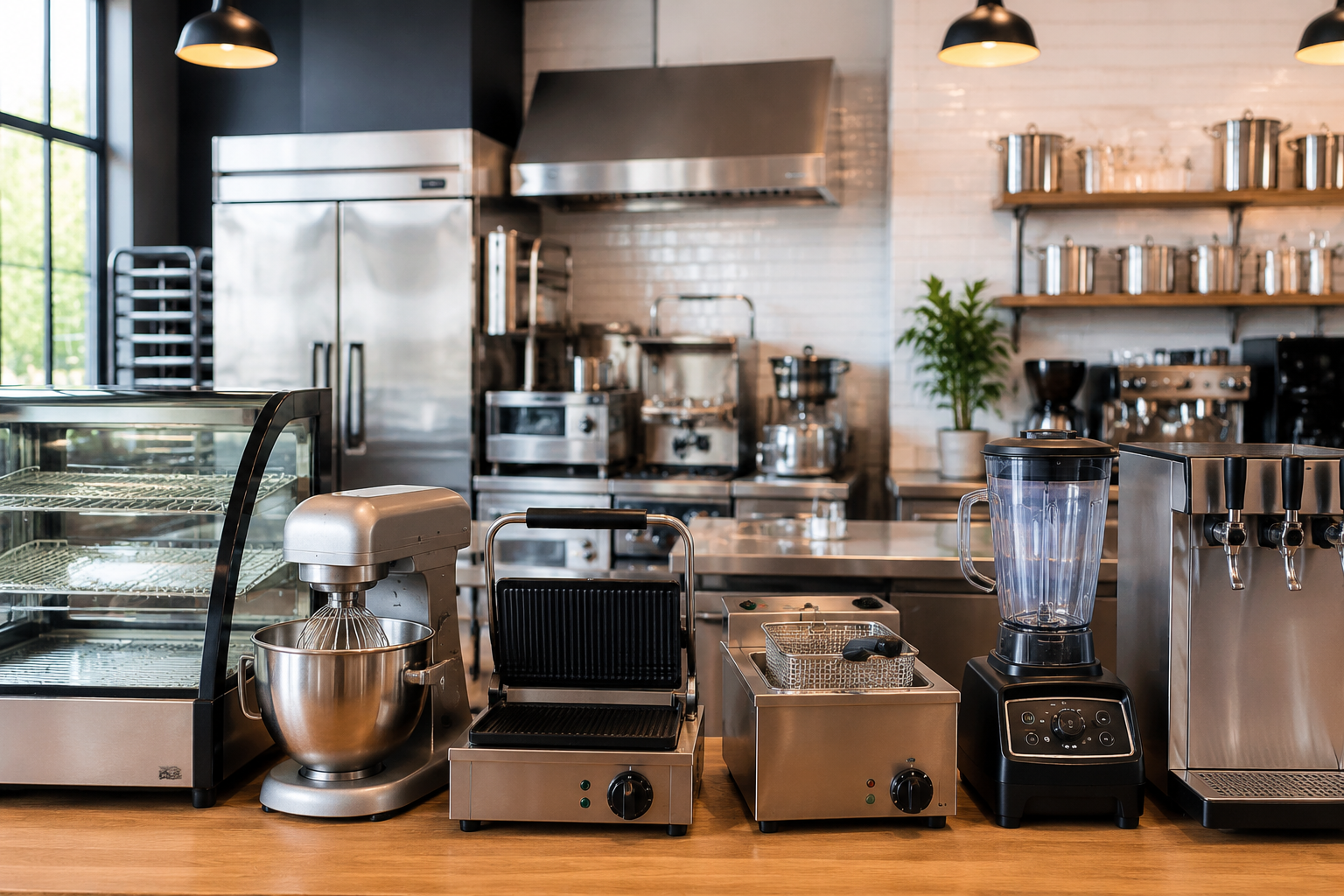
Equipment categories available for new openings include:
Equipment comes from established manufacturers including True Refrigeration, Beverage Air, Hoshizaki, Manitowoc, Perlick, Montague, Imperial, and American Range.
With over 2,000 active customers and more than $35M in equipment inventory, Light Soda On Tap draws from stock already on hand rather than placing new manufacturing orders, which is a meaningful advantage for operators working against a fixed opening date. Local dispatch across San Francisco and the broader Bay Area also means faster coordination during installation and any pre-opening adjustments. Operators can review current commercial kitchen equipment rental options in San Francisco to see what's available for their opening timeline.
This approach won't fit every build-out. Operators with long lead times already built into their schedule, or a strong existing vendor relationship, may not need it. For operators trying to compress the gap between lease signing and opening day, working from existing inventory is usually the more reliable path.
How far in advance should equipment be ordered before a target opening date in San Francisco?
As a general guideline, 10 to 16 weeks ahead for custom or long-lead equipment like hoods and walk-ins, and less for readily available items like ice machines or bar refrigeration.
Does renting equipment speed up the health inspection process?
Rental itself doesn't change inspection requirements, but sourcing from existing inventory usually gets equipment installed and operational faster, which is a prerequisite for scheduling final inspection.
Can equipment be delivered before all permits are finalized?
Delivery can often happen ahead of final permit sign-off, but installation and connection to utilities typically can't proceed until the relevant permits are in place.
What happens if the opening date shifts after equipment has already been ordered?
This depends on the agreement. Rental arrangements are generally easier to adjust than a completed equipment purchase, since delivery and installation scheduling can often be shifted without a cancellation or restocking cost.
Operators planning a San Francisco opening can contact Light Soda On Tap to review current equipment availability and installation timelines, or call (415) 648-6262. For sales inquiries, reach the team directly at (415) 787-6626.

.png)