High-quality kitchen equipment rentals at unbeatable rates!
.png)
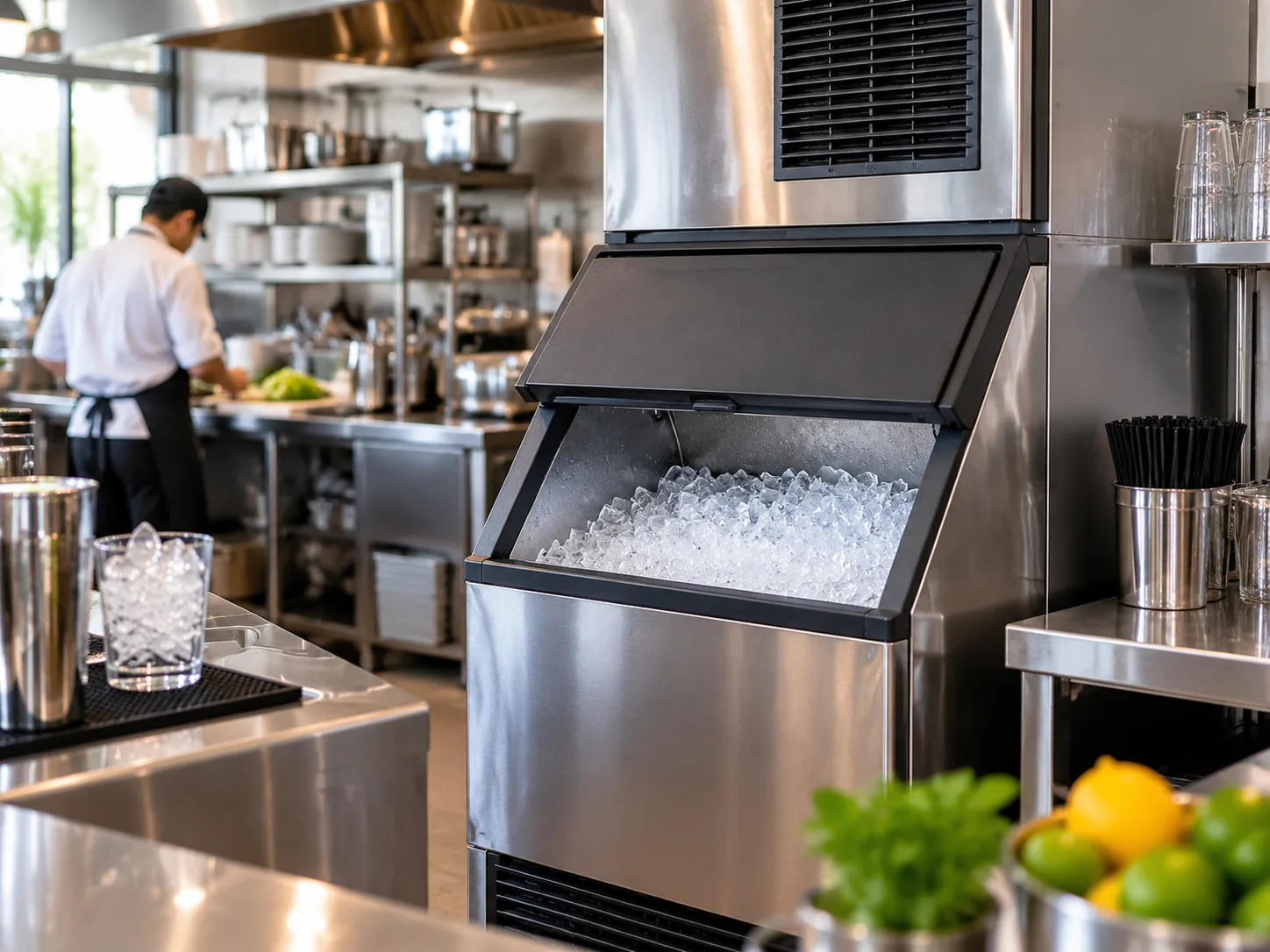
Most operators comparing ice machine rental in Los Angeles start by asking whether renting or buying makes more sense for their operation, and how fast a unit can be delivered either way. That's a reasonable starting point, but it skips two questions that actually determine whether the decision works out: who's responsible for cleaning and sanitation, and how the rent vs. buy tradeoff plays out over the life of the equipment.
An ice machine that isn't cleaned on schedule doesn't just risk a bad batch of ice. It's one of the more commonly cited items during health inspections, and it's also one of the pieces of equipment operators assume is "someone else's job" until an inspector, or a broken machine, proves otherwise.
Renting an ice machine shifts maintenance, cleaning responsibility (depending on the agreement), and repair coordination away from the operator, while buying gives full control but full responsibility for upkeep and eventual replacement. The right choice depends on how much the operator wants to manage directly versus hand off, and cleaning/sanitation terms are one of the most commonly misunderstood parts of either arrangement.
This decision isn't just about monthly cost versus ownership. It's about who manages the equipment over its working life, and how much flexibility the operator wants.
Neither option is universally better. The deciding factor is usually how much equipment management the operator wants to take on directly versus delegate.
Ice machines get flagged more often than operators expect, mainly because ice is legally treated as a food product, not just a convenience item.
Inspectors typically check for:
A single flagged item is usually a correction notice. Repeat citations on the same equipment tend to draw closer scrutiny on the rest of the kitchen, regardless of whether the machine is owned or rented.
Whether owned or rented, downtime creates the same operational problems, just with different people responsible for resolving them.
Under ownership, the operator manages the repair timeline directly. Under most rental agreements, response time and repair coordination are handled by the provider, though this varies depending on what the contract actually covers.
Ownership can work for operators with a reliable in-house cleaning routine and repair contractor already in place. For operators who want cleaning and mechanical issues handled by the same party, rental is generally the simpler structure, provided the agreement clearly states what's covered.
This is the most common point of confusion in ice machine rental agreements specifically, and it applies regardless of how the rent vs. buy decision is made.
Operators should ask specifically whether "maintenance" covers cleaning and sanitation, or only mechanical function. These are often treated as separate line items even within the same contract.
Even within "all-inclusive" offers, cleaning and sanitation coverage isn't always standard. It's worth confirming directly rather than assuming.
Getting clear answers before committing either way avoids the most common dispute in ice machine arrangements: assuming cleaning was covered when it wasn't.
Light Soda On Tap has served Bay Area restaurants, bars, hotels, and hospitality operators since 1947, with service extending across Northern California and into other California markets, including Los Angeles. The all-inclusive model covers professional installation, preventive maintenance, emergency repairs, and equipment replacement under one agreement, with no separate service invoices to manage on top of it.
Equipment categories relevant to ice and beverage service include:
Equipment comes from established manufacturers including Hoshizaki, Manitowoc, True Refrigeration, and Perlick.
With over 2,000 active customers and more than $35M in equipment inventory, Light Soda On Tap operates with strongest local dispatch across the SF Bay Area, while also supporting operators in other California markets. Operators in Los Angeles weighing rent vs. buy for an ice machine can review current ice machine rental options to see what's available and confirm service terms for their location.
This model isn't the right fit for every operator. Those with an established cleaning routine and repair vendor may not need the bundled structure. For operators who'd rather have one point of contact for equipment, maintenance, and repairs, the all-inclusive approach removes that coordination.
Is it better to rent or buy an ice machine for a restaurant?
It depends on how much equipment management the operator wants to handle directly. Buying gives full control but full responsibility for maintenance and replacement. Renting shifts much of that responsibility to the provider, depending on the agreement.
Who is responsible for cleaning a rented ice machine?
This depends entirely on the agreement. Some rental contracts include interior cleaning and sanitation as part of maintenance, while others cover only mechanical repairs and leave cleaning to the operator. Always confirm this in writing.
What is the most common reason ice machines get flagged during health inspections?
Interior mineral or mold buildup, along with improper scoop storage inside the ice bin, are among the most frequently cited issues, regardless of whether the machine is owned or rented.
Does an all-inclusive rental agreement always include cleaning?
Not necessarily. All-inclusive typically refers to installation, mechanical maintenance, repairs, and replacement. Cleaning and sanitation coverage varies by provider and should be confirmed directly.
Operators in Los Angeles weighing rent vs. buy for an ice machine can contact Light Soda On Tap to review equipment options and service terms, or call (415) 648-6262. For sales inquiries, reach the team directly at (415) 787-6626.

.png)