High-quality kitchen equipment rentals at unbeatable rates!
.png)
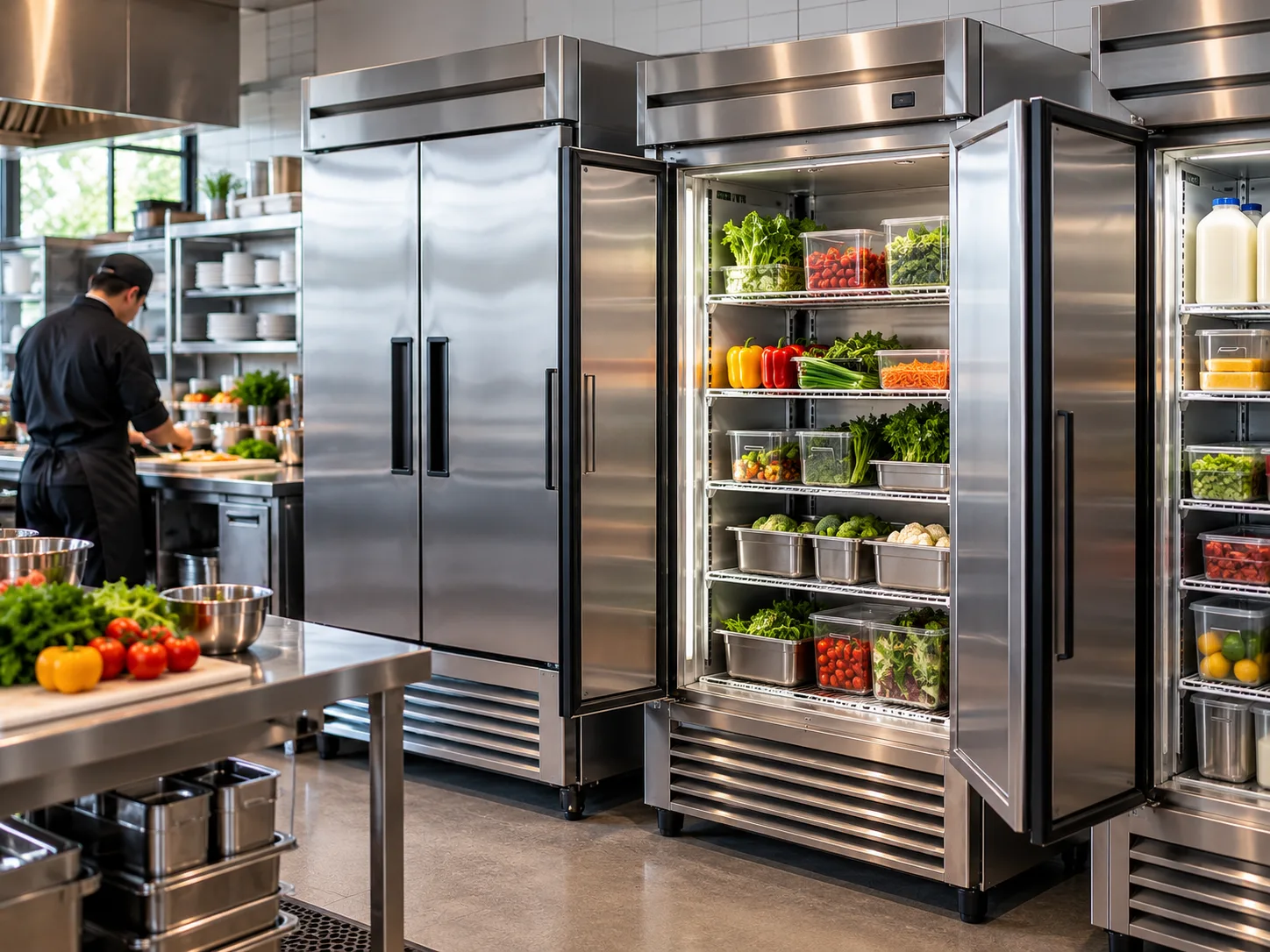
Most operators shopping for a commercial refrigerator start with two questions: what does it cost, and how fast can it be delivered. Size usually gets treated as a secondary detail, something to eyeball based on the kitchen layout or match to whatever fit in the last space.
That's where the expensive mistake happens. An undersized unit creates health code violations from overcrowded storage and cross-contamination risk. An oversized one wastes energy, floor space, and rent on square footage that never earns its keep. Either mistake is harder and more expensive to fix once the unit is installed and the kitchen is already running.
Refrigerator sizing should be based on menu volume, covers per day, and delivery frequency, not available floor space or what the previous tenant left behind. Getting it wrong either creates health code exposure from overcrowded storage or wastes ongoing operating cost on unused capacity, and rental gives operators room to correct a sizing mistake without absorbing a full replacement cost.
Sizing mistakes fall into two categories, and both carry a cost that shows up well after the equipment is installed.
Undersized refrigeration typically leads to:
Oversized refrigeration typically leads to:
Here's what that looks like in practical terms for a mid-size full-service restaurant:
None of these show up on the initial equipment quote. They show up in monthly operating costs and health inspection reports.
Sizing should start with covers per day and menu type, not the dimensions of the available wall space.
These are starting points, not fixed rules. A restaurant with frequent deliveries can run leaner on capacity than one relying on twice-weekly delivery schedules.
Ownership works when an operator has a stable, well-understood volume and menu that isn't likely to change. Rental provides more room to adjust when covers per day, menu direction, or delivery frequency shift after opening, which is common in the first year of operation.
Providers and sales reps often use "right-sized" loosely, without defining what informed the recommendation.
What it usually includes:
What it often doesn't include, unless asked directly:
Operators should ask for the specific covers-per-day or menu assumptions behind a sizing recommendation, not just a unit dimension.
For a new concept or a recently changed menu, the ability to adjust size without a full new purchase is often more valuable than the unit price itself.
Getting straight answers to these before signing prevents discovering the mistake during a health inspection or a slow month of unused capacity.
Light Soda On Tap has served Bay Area restaurants, bars, hotels, and other hospitality operators since 1947, helping many size refrigeration correctly from the start rather than guessing based on available floor space. The all-inclusive model covers professional installation, preventive maintenance, emergency repairs, and equipment replacement under one flat monthly fee, which includes the flexibility to adjust as volume or menu needs change.
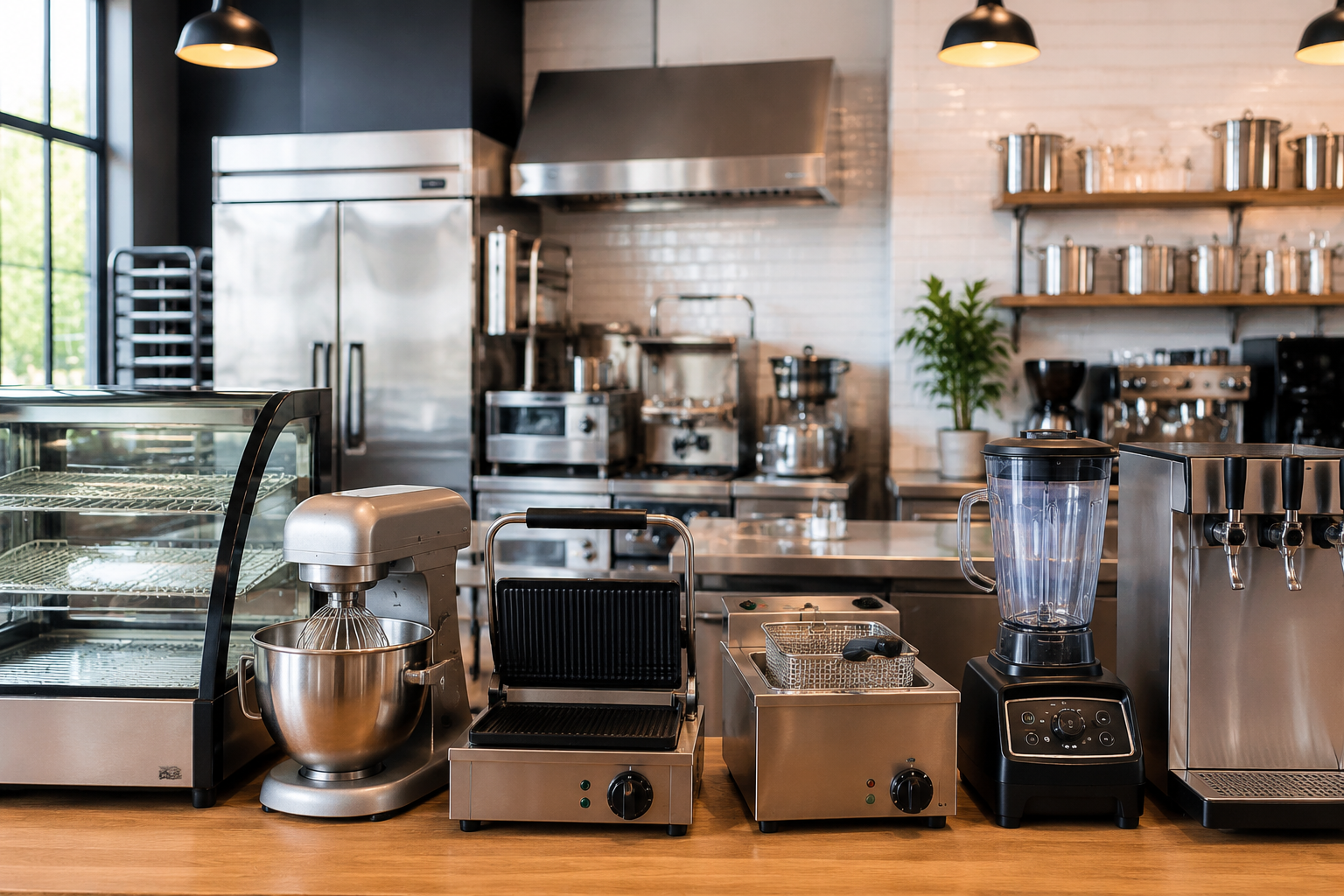
Refrigeration and related equipment categories include:
Equipment comes from established manufacturers including True Refrigeration, Beverage Air, Hoshizaki, and Manitowoc.
With over 2,000 active customers and more than $35M in equipment inventory, Light Soda On Tap can typically accommodate a size adjustment from existing stock rather than requiring a new custom order. Local dispatch across San Francisco and the broader Bay Area also means faster turnaround if a swap is needed after opening. Operators can review current commercial refrigerator rental options in San Francisco to compare capacity by unit.
This isn't the right fit for every kitchen. Operators with a well-established, stable volume may be well served by a straightforward purchase. For operators still refining their menu or covers per day, having room to adjust size without a full replacement is usually the more practical path.
How do I know if my restaurant's refrigerator is too small?
Common signs include consistently overcrowded shelving, inconsistent internal temperatures, and needing more frequent deliveries than the menu volume should require.
Is it better to size a refrigerator for current volume or expected future growth?
This depends on how confident the operator is in growth projections. Rental agreements make it easier to size for current volume and adjust later, without the sunk cost of an oversized purchase.
Do health inspectors flag refrigerators for being the wrong size?
Inspectors don't cite size directly, but they do cite the downstream effects, such as overcrowded storage, improper food separation, or temperature inconsistencies caused by an undersized unit.
Can refrigerator size be changed after installation without starting a new contract?
Under an all-inclusive rental, size adjustments are often handled as part of the existing relationship. Machine-only leases typically require a separate negotiation or new agreement.
Operators sizing refrigeration for a new or existing kitchen can contact Light Soda On Tap to review capacity options based on actual menu volume, or call (415) 648-6262. For sales inquiries, reach the team directly at (415) 787-6626.


.png)