High-quality kitchen equipment rentals at unbeatable rates!
.png)
Every operator eventually runs into the same problem: the concept moves, and the equipment doesn't.
You add a cocktail program and suddenly need a different ice format. You launch a catering arm and outgrow your refrigeration. You cut a menu section that justified a piece of equipment now sitting idle in the corner. Owned equipment turns each of those decisions into a capital question. Commercial kitchen equipment rental turns it into a scheduling question.
That flexibility is the part of the rental model most operators don't evaluate until they need it — and it's often worth more than the upfront savings that got them interested in the first place.
A concept pivot. A lunch café adds dinner service. A casual spot moves upmarket. The prep, holding, and cold storage requirements shift, and the equipment that was correct at opening is now either undersized or the wrong type.
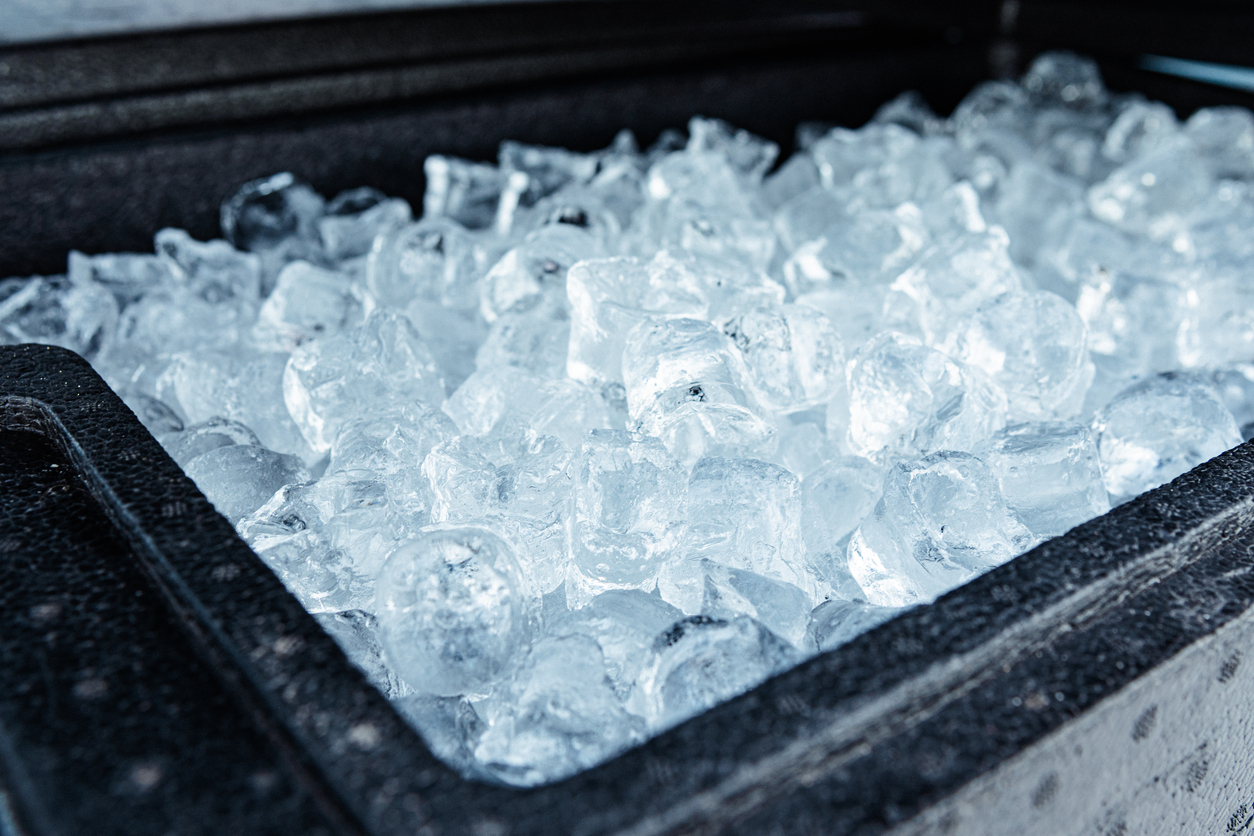
A beverage program launch. Adding craft cocktails changes ice requirements immediately — clear cube for spirits service is a different machine and a different volume than the standard cube feeding a soda station. Add bar refrigeration, glass chillers, and dispensing systems, and the list grows fast.
A seasonal or limited-time push. Patio season, holiday catering, a festival contract. Real demand, but not year-round demand — which makes buying hard to justify.
Growth into a second location. Equipping a new site while the first one keeps running means a second full equipment spend, all at once.
A category that's not working. Sometimes the answer is removing equipment, not adding it. Owned gear you no longer use is a resale problem. Rented gear is a phone call.
The underlying shift is that equipment stops being a fixed asset you plan around and becomes an operating line you adjust — closer to how you already treat labor and inventory.
There's a second benefit that shows up during transitions specifically. When a concept is in motion, the last thing an operator needs is unpredictable equipment expense landing on top of everything else that's in flux.
Under an all-inclusive rental, delivery, installation, maintenance, repairs, and replacement sit inside one monthly figure. There are no separate service invoices arriving during the month you're also paying for new signage, menu printing, and staff training. The equipment cost is a number you already know.
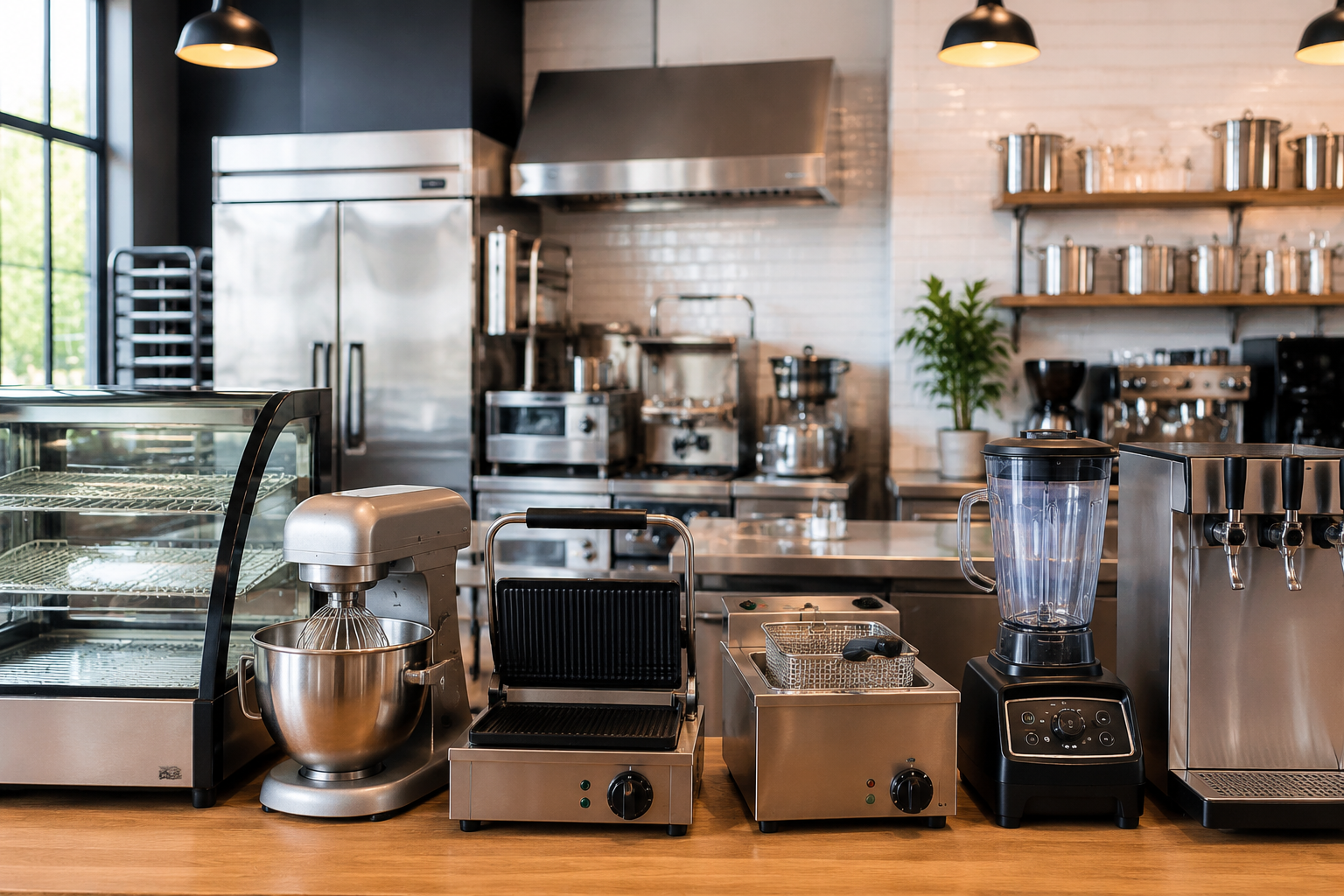
Most full-service commercial rental programs cover the categories a kitchen and bar actually turn over:
Being able to draw from one provider across categories matters during a change. Coordinating a swap across three vendors on three agreements is its own project.
Flexibility is only real if the agreement supports it. Before assuming you can swap, ask:
That last one is the practical constraint. A provider working from limited stock can agree to a swap in principle and still not have the unit.
Light Soda On Tap has worked with food service operators since 1947 from its Brisbane, CA facility, carrying $35M+ in inventory across 50+ equipment categories and serving 2,000+ active commercial customers. Brands include Hoshizaki, Manitowoc, Scotsman, Ice-O-Matic, True, Beverage Air, Perlick, Montague, Imperial, and American Range.
The model is commercial-only and all-inclusive: one monthly fee covering delivery, installation, maintenance, repairs, and replacement, with terms structured around the business rather than rigid multi-year lock-ins. Service covers California, plus Nevada and Arizona markets.
Can I swap equipment mid-agreement?
Under a flexible rental structure, yes. The specifics depend on the agreement, which is why it's worth confirming before you sign rather than when you need it.
Does adding equipment mean starting a new contract?
Not typically. Additional units are usually added to the existing agreement with the monthly fee adjusted accordingly.
What if I need equipment for only part of the year?
Discuss the seasonal pattern during scoping. Rental terms can often be structured around a known cycle.
Do I have to rent an entire kitchen, or can I rent individual pieces?
Both work. Some operators rent a full package for a new build; others rent selectively — commonly the high-maintenance categories like ice and refrigeration — and own the rest.
If your concept is shifting and you want equipment that can shift with it, call Light Soda On Tap at (415) 648-6262 for a custom quote based on your current setup and where you're headed.

.png)