High-quality kitchen equipment rentals at unbeatable rates!
.png)

Most guides on choosing the best ice machine rental company in the Bay Area give you a checklist: ask about maintenance, check references, read the contract. Useful, but it skips a step.
Before you evaluate individual companies, it helps to understand that Bay Area providers fall into three distinct business models. Each one is structured differently, makes money differently, and behaves differently when your machine stops making ice on a Saturday night. Knowing which type you're talking to tells you more than most checklists will.
How it works. A large company with regional or national coverage, centralized customer service, and service typically delivered by employed regional techs or subcontracted third parties.
Strengths. Broad geographic coverage, which matters if you operate in multiple states. Standardized contracts. Deep balance sheet.
Where it gets difficult. Your service request enters a queue. The person taking the call isn't the person coming out, and often isn't in California. Response time depends on contractor availability in your area, which you have no visibility into. Contracts tend to be rigid because they're written for scale, not for your operation.
Best fit. Multi-state operators who need one agreement across markets and can tolerate variable response.
How it works. A dealer whose primary business is selling equipment, offering financing or leasing as an alternative path to the same sale.
Strengths. Deep product knowledge. Wide selection. Often good at spec'ing the right machine.
Where it gets difficult. The economics favor the sale. Rental or lease terms are frequently structured as financing — you're paying for the machine over time, and service is a separate contract with its own coverage limits. That's a meaningfully different product from an all-inclusive rental, even though both get called "renting."
Best fit. Operators who intend to own eventually and want to spread the purchase.
How it works. A regional company whose core business is renting and maintaining equipment, with its own technicians and its own inventory.
Strengths. The business model aligns with your uptime. The provider owns the machine, so machine failure is their cost too. Technicians are employees, dispatch is local, and replacement inventory sits nearby rather than being ordered.
Where it gets difficult. Geographic coverage is limited by definition. If you're expanding into another state, a regional provider may not follow you.
Best fit. Single-market and regional operators who need fast response and want one predictable monthly cost.
Whichever type you're talking to, ask this: "If my machine stops making ice at 8pm on a Saturday, who exactly comes out, how quickly, and what does it cost me?"
A provider who can answer all three parts specifically — a named service structure, a real response window, and a clear statement that it's included — is offering something different from one who says service is "available."
Follow it with: are there any circumstances where I'd receive a separate service invoice? The answer to that separates all-inclusive rental from everything else.
There isn't one answer, because the operations differ:
Light Soda On Tap is a local, commercial-only full-service rental company, operating from 426 Valley Drive in Brisbane, CA since 1947 with 2,000+ active customers and $35M+ in inventory.
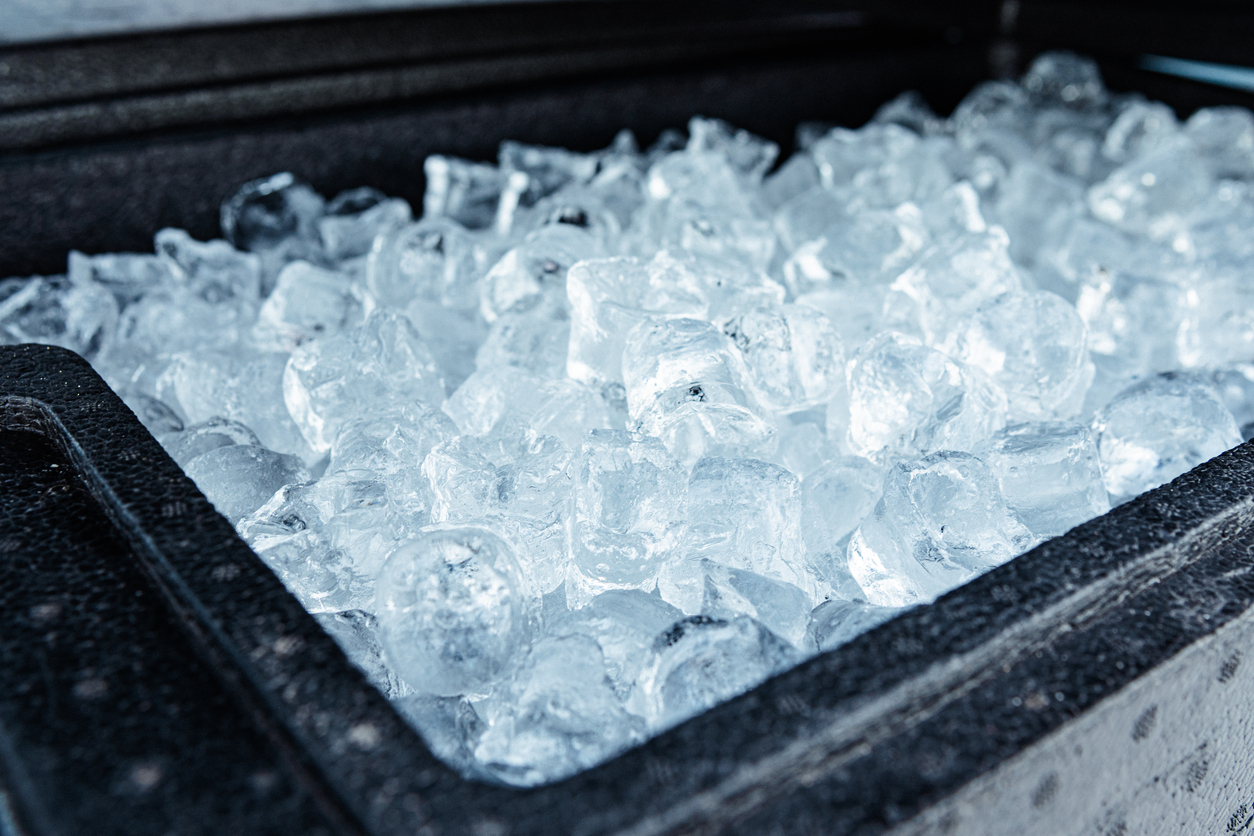
Ice machines are available from Hoshizaki and Manitowoc in cube, nugget, and flake configurations. Every rental includes professional installation, all scheduled maintenance, filter changes, emergency repair, and equipment replacement under one flat monthly fee — no service contracts, no separate repair invoices. Service is delivered by the company's own Bay Area team rather than a national call center, with same-day response available, and replacement units come from local inventory.
Coverage includes San Francisco, Oakland, San Jose, Berkeley, Fremont, Hayward, San Mateo, Palo Alto, Redwood City, Marin County, Walnut Creek, Concord, Daly City, South San Francisco, Richmond, Santa Rosa, Napa, Sonoma, and throughout Northern California. Terms are flexible, with no multi-year lock-ins required.
What's the difference between renting and leasing an ice machine?
A lease is typically financing toward ownership, with service handled separately. An all-inclusive rental keeps the machine with the provider and bundles maintenance, repair, and replacement into the monthly fee.
How do I verify a provider's service response claims?
Ask for references from operators in your area and call them. Ask specifically about the last time something broke.
Does the best provider always mean the cheapest monthly rate?
No. A lower rate often means service is excluded, which surfaces as separate invoices later. Compare total annual cost including expected service, not the monthly figure alone.
Can I switch providers mid-agreement?
Depends on your current terms. Review notice requirements and any early termination language before making the move.
Do I need a separate provider for refrigeration and bar equipment?
Not necessarily. Providers carrying multiple categories let you consolidate to one agreement and one invoice.
For ice machine rental with local service and everything included in one monthly fee, call Light Soda On Tap at (415) 648-6262.

.png)