High-quality kitchen equipment rentals at unbeatable rates!
.png)
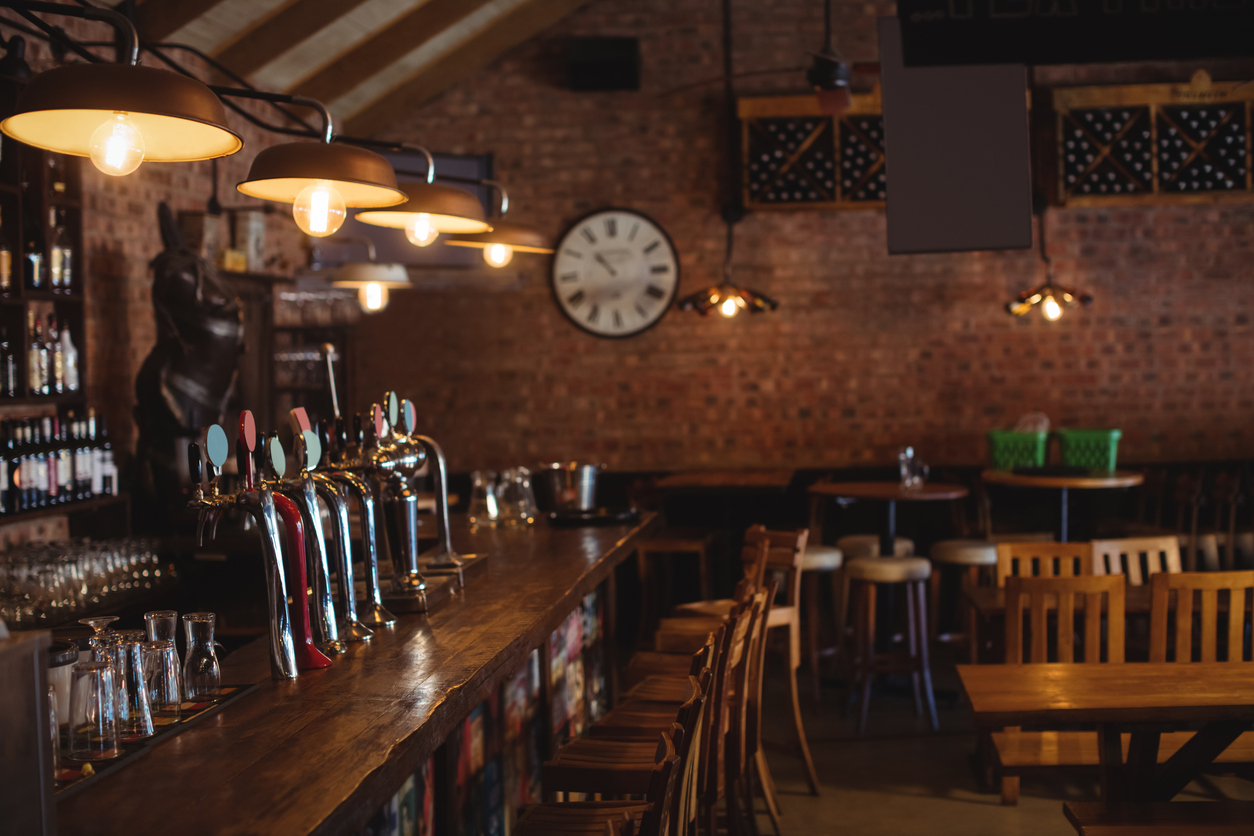
Most bar equipment rental conversations start with a tap count and stop there. Six taps, sounds good, send a six-tap box.
Tap count is one input. Keg volume, turnover rate, line run distance, CO₂ supply, and how much back bar space you have all determine whether the system pours properly at 9pm on a Saturday or gives your bartenders foam and complaints. Getting the spec right before delivery is the difference.
Here's how to think through the sizing.
Two bars with the same six taps can have completely different equipment needs. A neighborhood spot moving a keg a week per line and a high-volume venue blowing through kegs nightly are asking different things of the same box.
Work out, per line:
A kegerator that holds exactly the number of kegs matching your tap count leaves no room for a cold backup. On a busy night, that means swapping in a warm keg and pouring foam for an hour.
Direct draw means the kegs sit directly under or behind the taps — a kegerator or draft box with a short line run. It's simpler, cheaper to maintain, and right for most bars. The constraint is footprint: kegs take up prime back bar real estate.
Remote systems pull from a walk-in cooler or keg room through insulated, glycol-chilled trunk lines. That frees up back bar space and lets you run more taps than a box could hold. It's more equipment, more installation, and more maintenance — worth it when tap count or space makes direct draw impractical.
If your line run is more than a few feet, the beer needs to stay cold the entire distance. Warm line runs are the most common cause of foaming in systems that were spec'd without accounting for distance.
Every draft system needs a gas supply and regulation. Considerations:
Gas connections are part of a professional install, not something to improvise behind the bar.
Draft lines need regular cleaning — beer stone and yeast build up in the lines and affect taste well before anyone can identify why. Most programs clean on a fixed cycle, and neglecting it produces off-flavors that get blamed on the product rather than the plumbing.
When evaluating a rental agreement, ask specifically whether line cleaning is included, scheduled, or your responsibility. It's a separate question from whether repairs are covered.
Draft is one piece. A working bar station typically also needs:
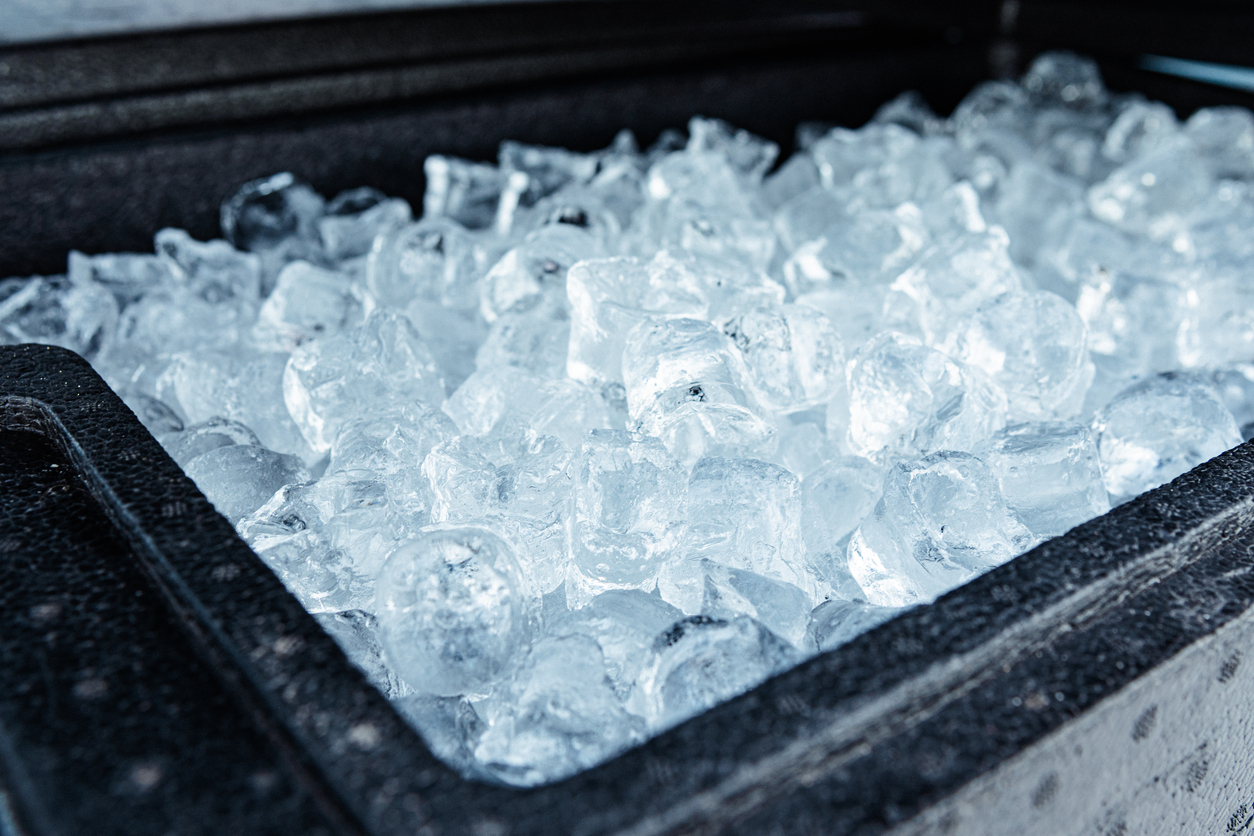
Ice deserves particular attention. Bars consume more ice than operators estimate, and a machine sized to daily average rather than peak-hour draw will run out exactly when the bar is busiest.
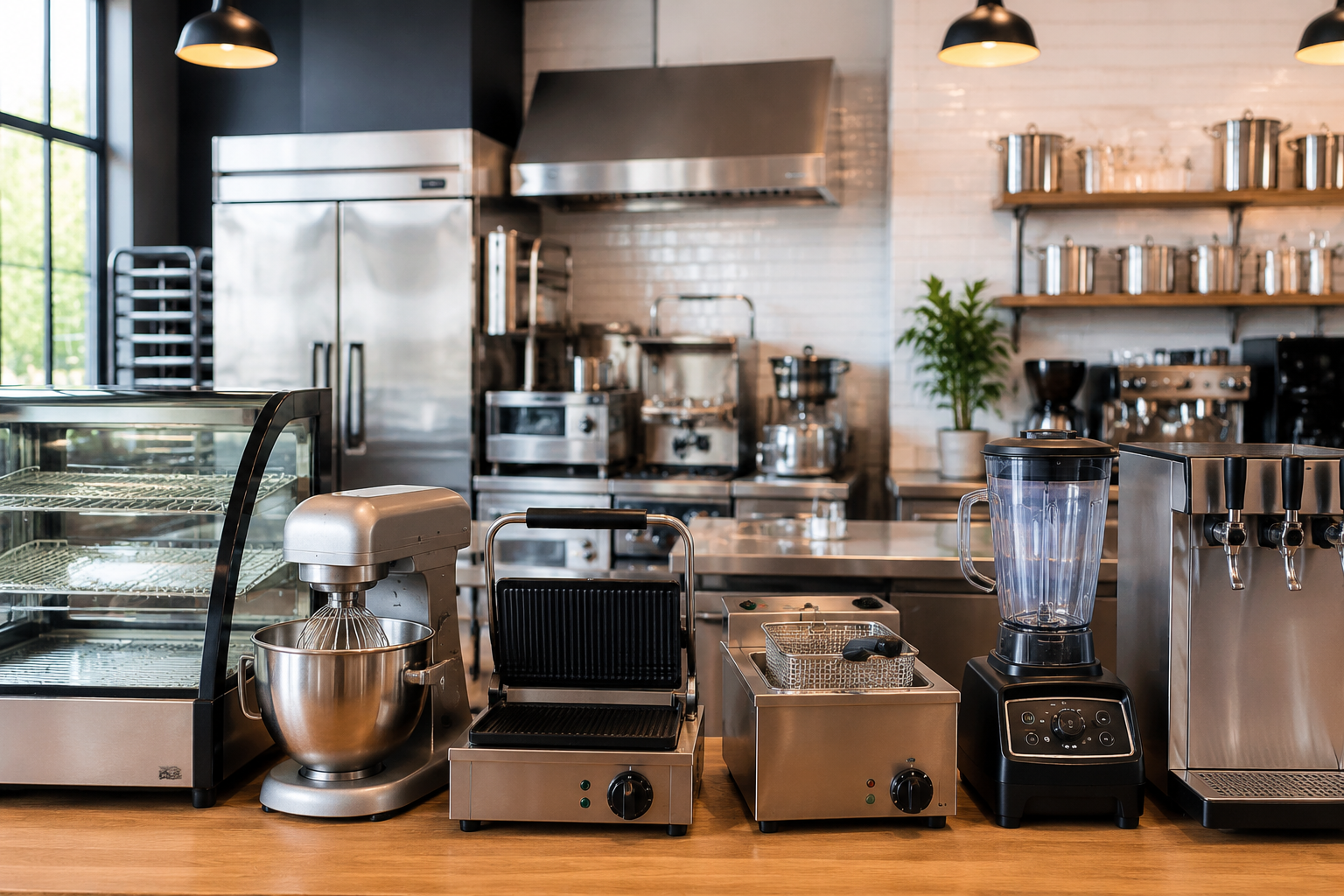
Light Soda On Tap carries Perlick kegerators and draft beer boxes in single, double, and triple tap configurations, along with Perlick and True back bar refrigeration, Hoshizaki and Manitowoc ice machines, glass chillers, bottle coolers, cocktail chests, and ice flakers and crushers.
Installation includes delivery, placement, CO₂ connections, water lines, and electrical hookups, handled by the company's own technicians. Every rental is all-inclusive — maintenance, emergency repairs, and replacement under one monthly fee, with no service contracts or add-on charges. Operators can rent a single unit or a full bar setup.
The company has served commercial food and beverage operators since 1947 from Brisbane, CA, with 2,000+ active customers and $35M+ in inventory across California, Nevada, and Arizona markets.
Can you help size the system, or do I need to spec it myself?
Sizing is part of the process. Bring your tap count, keg volume, bar layout, and the team works out the right configuration.
What happens if a kegerator fails during service?
Emergency repair is included in every rental with same-day response available. If it can't be fixed quickly, a replacement unit is sent.
Can I rent just the draft equipment and keep my existing back bar?
Yes. Renting one or two pieces is a standard arrangement.
Can the system be expanded if we add taps later?
Yes — equipment can be upsized or added as the program grows, without starting over.
Call (415) 648-6262 with your tap count, keg volume, and bar layout for a custom bar equipment rental quote.

.png)